


Wild Swimming & Open Water Swimming Safety: What Every Beginner Needs to Know
Quadri Abdur May 29th, 2026 Posted In: Articles
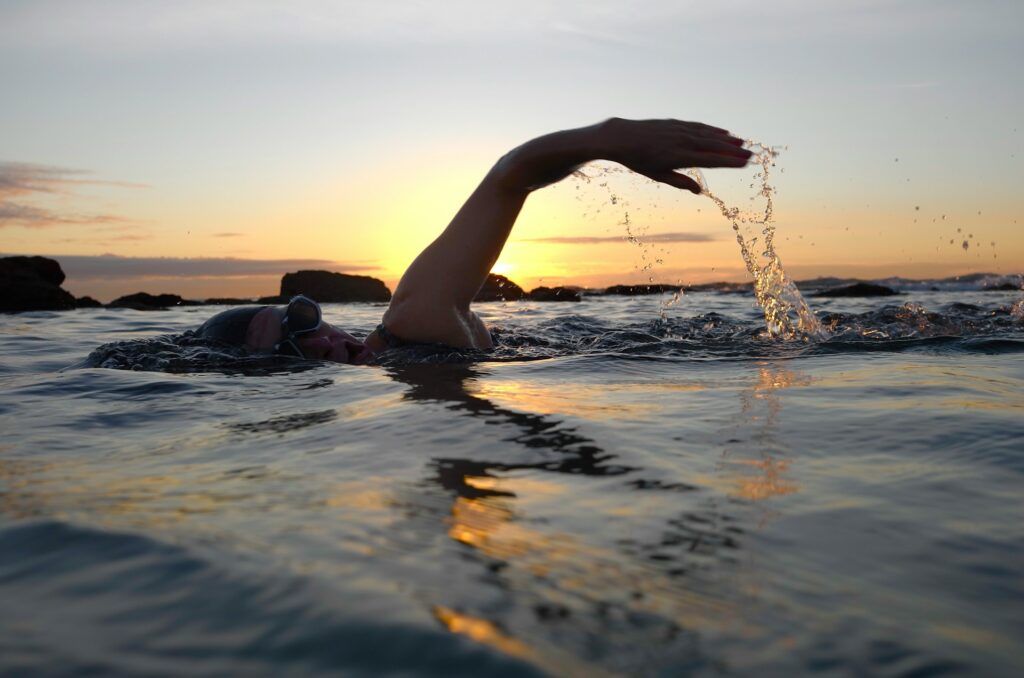
Have you ever stood at the edge of a lake or river, felt the cool air on your skin, and wondered what it would be like to dive in? That moment of curiosity is what draws so many people to wild swimming. Wild swimming means leaving the pool behind and stepping into natural waters, such as lakes, rivers, reservoirs, or the sea.
Furthermore, wild swimming has become a booming outdoor trend, with people embracing cold plunges, community swims, and the mental health benefits of connecting with nature. As early as 2004, a U.S. recreation survey found that about 88 million Americans, aged 16 years and older, were already swimming in natural waters, like oceans, lakes, and rivers. But, while the rewards are real, wild swimming beginners must remember that natural water is unpredictable. Safety comes first, and the right gear, such as a wild swimming wetsuit, makes a huge difference.
According to statistics, nearly 4,000 unintentional drowning deaths occur every year in the United States. While this is not meant to scare you, it’s a reminder that you still need to approach wild swimming with care, even though it can be thrilling and deeply rewarding. Safety is crucial, and with the right preparation, gear, and mindset, beginners can enjoy the adventure without unnecessary risk. In this article, we will cover open water swimming safety, practical open water swimming tips, and how to get started with confidence.
Quick Summary
Wild swimming is growing fast, but beginners need to respect the risks and dangers of cold water swimming including: cold water shock, hypothermia, hidden currents, and fatigue. Open water swimming safety rules include never swimming alone, entering slowly, checking conditions, and keeping sessions short. Wild swimming differs from pool swimming because of currents, seeing challenges, and temperature changes.
In addition, the health benefits of cold water swimming are strong, from mood boosts to stress relief. Gear matters too, such as a wild swimming wetsuit, bright swim cap, tow float, and neoprene accessories, which improve safety and comfort. Beginners should start in the summer, join a local group, and build tolerance gradually.
Key Takeaways
- Cold water shock and hypothermia are real risks for wild swimming beginners.
- Always follow open water swimming safety rules like the buddy system and short sessions.
- A wild swimming wetsuit improves warmth, buoyancy, and safety.
- Open water swimming tips include sighting landmarks and swimming parallel to shore.
- Gear essentials: wetsuit, swim cap, tow float, gloves, and socks
What are The Real Risks of Open Water Swimming?
Many beginners often take the dangers of natural water too lightly. Some of the most common dangers of open water swimming include:
- Cold water shock: Sudden immersion can trigger an involuntary gasp reflex, which can lead to drowning even in shallow water.
- Hypothermia: Cold water drains heat up to 25 times faster than cold air, so body temperature drops quickly.
- Hidden currents: Rivers and seas can have strong currents or rip tides that pull swimmers off course.
- Cold incapacitation: As blood moves to the core, arms and legs weaken, and this makes swimming even more difficult.
What Open Water Swimming Safety Rules Should Beginners Follow?
Open water swimming safety is about preparation and discipline. Here are some important rules that beginners should always follow:
- Never swim alone: You should always use the buddy system or tell someone on shore.
- Enter slowly: Ensure that you enter oceans, lakes, and rivers slowly when you want to swim. Do not jump or dive into cold water.
- Check conditions: Check the condition of the natural water, including the weather, tides, and water quality, before you jump in.
- Swim parallel to shore: You should always swim parallel to the shore when in natural waters. This is because it is easier to exit if you get tired.
- Learn to float on your back: This is a key survival skill. If you panic, you can simply float on your back.
- Keep sessions short: Build tolerance gradually by keeping your sessions short.
These open water swimming tips help beginners stay safe while enjoying the experience.
How is Wild Swimming Different from Pool Swimming?
Many beginners usually assume that swimming in natural waters feels the same as swimming in a pool. However, this is not true. Here are some of the differences between wild swimming and pool swimming:
- There are no walls or lane ropes to rest against in natural waters.
- Currents, tides, and wind affect movement in natural waters.
- Visibility is lower in natural waters. Unlike when swimming in a pool, you may not see the bottom of the lake.
- Due to cold and resistance, fatigue sets in faster in natural waters.
- Unlike pools, the water temperature in natural waters is not stable. It varies constantly.
Regardless of these differences, a key skill to have before you consider wild swimming is good sighting. This helps you to lift your head every few strokes to spot a landmark and stay on course.
What Are The Health Benefits Of Wild Swimming?
Provided that you respect safety, wild swimming offers several rewards. Some of the health benefits are as follows:
- Cold water immersion triggers endorphins, which boost mood and create a natural sense of happiness.
- Wild swimming reduces stress by calming the nervous system and helping you feel more grounded.
- Many swimmers experience better sleep after regular sessions in natural water.
- Exposure to cold water can strengthen the immune system by stimulating circulation and resilience.
- Wild swimming builds a sense of community, as many people join local groups or swim with friends.
- Spending time in nature during wild swimming offers a mental reset and improves overall well-being.
What Should You Wear For Wild Swimming?
Gear is essential for both safety and comfort when swimming in natural waters. A wild swimming wetsuit helps keep you warm and adds buoyancy, especially in colder rivers or lakes. A bright swim cap makes you visible to others and is a simple way to improve safety.
Many beginners also use a tow float or safety buoy, which helps you rest if you get tired and makes you easier to spot. For colder conditions, neoprene gloves and socks protect your hands and feet from losing heat too quickly. When you choose the right gear, you can focus on enjoying the swim while staying safe and comfortable.
Do You Need A Wetsuit?
When going into water, it is advisable to wear the necessary gear, including a wetsuit. However, it also depends on water temperature and how long you plan to swim. The RNLI recommends wetsuits for sea and open water. As mentioned earlier, a wild swimming wetsuit helps maintain warmth and buoyancy.
Wetsuit Thickness Guide
Here is a quick guide to help you choose your wetsuit:
| Water Temperature | Recommended Thickness |
| 70°F+ (21°C+) | 2mm shorty or no suit |
| 60–70°F (15–21°C) | 3/2mm fullsuit |
| 50–60°F (10–15°C) | 4/3mm fullsuit |
| Below 50°F (10°C) | 5mm+ fullsuit |
You can check out our open water and triathlon wetsuits for more options.
What Other Essentials Do You Need for Wild Swimming?
Some of the other essentials that you may need for wild swimming include:
- Bright swim cap for visibility.
- Tow float or safety buoy for rest and visibility.
- Neoprene gloves and socks for cold water protection.
How Should Beginners Start Wild Swimming?
If you are considering trying swimming in natural waters, here are some practical steps to make your first experience safe and enjoyable:
- Start in summer when the water is warmest.
- Choose a known safe spot or join a local group.
- Swim with someone experienced.
- Keep your first swim short, say 5 to 10 minutes.
- Warm up and change quickly afterward.
Wild swimming is meant to be fun, not just endured. Build tolerance slowly and enjoy the journey.
Final Thoughts
Wild swimming beginners can enjoy the health benefits and freedom of natural water, but safety must come first. Respect the risks, follow open water swimming tips, and invest in the right gear like a wild swimming wetsuit. With preparation and patience, open water and wild swimming remain a rewarding way to connect with nature and yourself. You can check out our huge selection of wild swimming wetsuits and other accessories at Wetsuit Wearhouse today.
Frequently Asked Questions: Open Water & Wild Swimming Safety
Is wild swimming safe for beginners?
Yes, wild swimming is safe for beginners if you follow open water swimming safety rules, swim with others, and keep sessions short.
What is the difference between wild swimming and open water swimming?
Wild swimming refers to swimming in natural waters like rivers and lakes. Open water swimming often means longer swims in lakes or the sea, sometimes in a competitive context.
Do you need a wetsuit for wild swimming?
A wild swimming wetsuit is recommended for cold water or longer sessions. In warm summer conditions, some swimmers go without.
What temperature is too cold to swim in open water?
Below 50°F (10°C) is considered very cold and requires a thick wetsuit and careful preparation.
What gear do you need for wild swimming?
Some essential gear for wild swimming include a wetsuit, bright swim cap, tow float, neoprene gloves, and socks.