


What Is Wake Surfing? A Beginner’s Complete Guide (Gear, Skills & What to Wear)
Lauren June 5th, 2026 Posted In: Articles Tags: Wake
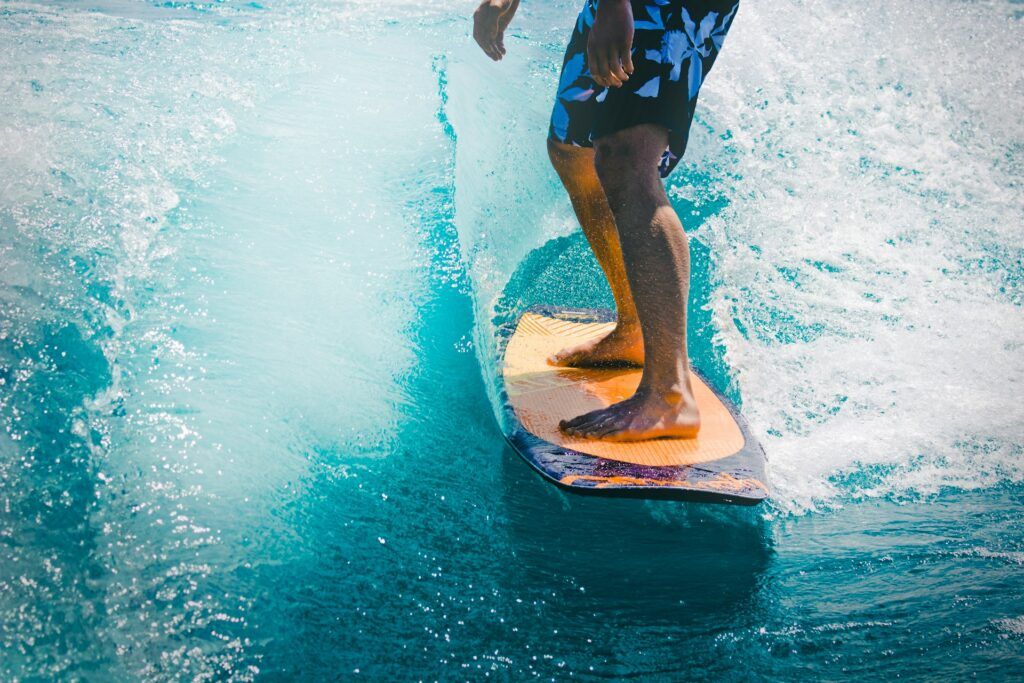
If you’ve ever watched someone riding endlessly behind a boat without being attached to it, you’ve probably wondered: what is wake surfing? Unlike traditional watersports that rely on being pulled the entire time, wake surfing lets riders use a boat’s wake almost like an endless ocean wave. You start with a rope to get up, then toss it aside and surf freely behind the boat.
It’s one of the fastest-growing watersports out there because it’s approachable, incredibly fun, and surprisingly beginner-friendly. Whether you’re curious about the differences between wake surfing and wakeboarding, wondering what gear you need, or trying to figure out the best wake surfing wetsuit, this article covers everything you need to know before your first ride!
Quick Highlights
- Wake surfing is riding the endless wake created by a specially equipped boat after letting go of the tow rope.
- This watersport is generally easier for beginners than wakeboarding because speeds are slower and there are no board bindings.
- You’ll need an inboard boat, a wake surfboard, a short surf rope, and a properly fitted life vest.
- A quality wake surfing wetsuit helps extend your season and keeps you comfortable in cooler lake and river water.
- Most people can get up on a wake surfboard within their first few attempts.
Wake Surfing vs. Wakeboarding: What’s the Difference?
One of the biggest points of confusion for newcomers is understanding wake surfing vs wakeboarding. While both sports happen behind a boat, they feel completely different once you’re on the water. Here’s a little more in-depth info for you!
Wake Surfing
- No foot bindings
- Boat speed around 9–13 mph
- Rope is dropped after getting up
- Rider surfs the boat’s wake
- Larger, surf-inspired board
Wakeboarding
- Feet are strapped into bindings
- Boat speed around 20–25 mph
- Rider holds the rope the entire time
- More focused on jumps and tricks
- Smaller, stiffer board
For many people, wake surfing feels more relaxed and natural. The slower speeds and softer falls make it especially appealing for families and first-time riders.
What Equipment Do You Need for Wake Surfing?
The good news is you don’t need a mountain of gear to get started. I know, we love that for you, too.
An Inboard Wake Boat
This is the most important piece of equipment. Wake surfing should only be done behind an inboard boat, where the propeller sits safely underneath the hull. Outboard and sterndrive boats place the propeller too close to the surfer and should never be used for wake surfing.
A Wake Surf Board
Wake surf boards generally come in two styles:
- Surf style: Larger, more stable, and ideal for beginners.
- Skim style: Smaller and designed for spins and tricks.
Most beginners will have an easier time learning on a larger surf-style board with plenty of volume.
A Wake Surf Rope
A dedicated wake surf rope is shorter than a traditional ski rope and designed specifically for getting riders into the wake before letting go.
A Coast Guard-Approved Life Vest
A properly fitted life vest is essential for both safety and confidence while learning. As you progress, you may also encounter ballast bags, wake shapers, and upgraded fins, but those are accessories rather than necessities.
How to Get Up on a Wake Surf Board: Beginner Tips
One of the biggest questions around wake surfing for beginners is simply how to stand up. Fortunately, the process is fairly straightforward:
- Float on your back with your knees bent and the board resting against your feet
- Hold the rope with your arms straight and relaxed
- Let the boat do the work as it slowly accelerates
- Resist the urge to stand up too early
- Once you’re stable, gradually rise into a comfortable surfing stance
- Shift your weight until you find the “sweet spot” in the wave
- Toss the rope into the boat and enjoy the ride
A few common beginner mistakes include:
- Trying to pull yourself up with your arms
- Standing before the boat has enough speed
- Holding onto the rope for too long
- Riding with the wrong foot forward
Like any board sport, it takes a little practice, but most newcomers are pleasantly surprised by how quickly everything clicks.
What Wetsuit Do You Wear for Wake Surfing?
Many people assume wetsuits are only for ocean surfing, but lakes and rivers can stay surprisingly cold, even during the summer months. That’s why having the right wake surfing wetsuit can make a huge difference in both comfort and performance.
A simple rule of thumb:
- 75°F+ water: Boardshorts or a springsuit
- 65–75°F water: 2mm shorty springsuit
- 55–65°F water: 3/2mm full wetsuit
- Below 55°F: 4/3mm or thicker fullsuit, with wetsuit booties if needed
A properly fitting wetsuit not only keeps you warmer but also provides a little extra protection against bumps, falls, and repeated time in the water. If you plan to wake surf regularly, investing in a quality wetsuit designed for wake and ski sports can help extend your season well into spring and fall!
Is Wake Surfing Easy to Learn?
For most people, yes.
Compared to wakeboarding, wake surfing is often easier to pick up because the boat moves at slower speeds and you aren’t locked into bindings. If you fall, you simply slide off the board rather than being attached to it.
The biggest challenge isn’t standing up, it’s learning how to maintain your position in the wave after dropping the rope. Finding that balance point takes a little practice, but most beginners can enjoy short rope-free rides within their first day on the water.
The key is to relax, trust the boat to pull you up, and accept that everyone takes a few spills while learning. (Trust me, I’ve absolutely taken a few falls before finally getting the hang of it!)
Why Wake Surfing Is One of the Best Watersports for Beginners
If you’ve been wondering what is wake surfing, the simplest answer is that it’s one of the most accessible and enjoyable ways to experience board sports without needing an ocean.
It combines the laid-back feel of surfing with the consistency of a boat-generated wave, making it easier for beginners to learn while still offering plenty of room to grow. Whether your goal is simply cruising behind the boat or eventually learning advanced tricks, wake surfing offers an incredibly rewarding learning curve.
With the right equipment, a little patience, and a comfortable wake surfing wetsuit, you’ll be ready to make the most of every session. And before long, you might find yourself tossing the rope and riding the endless wave with confidence!
Wake Surfing FAQ
What is the difference between wake surfing and wakeboarding?
Wake surfing uses a larger board without bindings, slower boat speeds, and allows riders to let go of the rope. Wakeboarding uses bindings, faster speeds, and requires holding the rope throughout the ride.
Do you need a special boat for wake surfing?
Yes. Wake surfing should only be done behind an inboard boat because the propeller is safely positioned underneath the hull.
Is wake surfing easier than wakeboarding?
For many beginners, yes. Slower speeds and the absence of bindings often make wake surfing feel more approachable.
What wetsuit do you wear for wake surfing?
The right wake surfing wetsuit depends on water temperature. A 3/2mm full suit is a popular all-around choice for spring and fall conditions. Meanwhile, summer means you can usually get away with a shorty springsuit or even just a bathing suit or bottoms (for the dudes).
Can you wake surf behind any boat?
No. Wake surfing should only be done behind properly equipped inboard boats designed to create a safe surfable wake.