


Dive Hood, Glove & Boot Thickness by Water Temperature
Lauren November 23rd, 2026 Posted In: Articles Tags: SCUBA
When water temperatures drop below about 65°F, most scuba divers benefit from adding a dive hood, gloves and boots to their gear setup. As the water gets colder, thicker neoprene accessories help retain heat, protect your extremities and make longer dives more comfortable.
Choosing the right scuba hood thickness, scuba gloves thickness and dive boots thickness depends on more than just the temperature, though. Dive depth, time underwater, the number of dives per day and how easily you get cold all play a role.
Whether you’re new to scuba diving or upgrading your cold-water gear, this guide will help you choose the right accessories for your conditions!
1. Dive Hood, Glove & Boot Thickness by Water Temperature
Water temperature is one of the easiest ways to determine which dive accessories you need. While a wetsuit helps keep your core warm, your head, hands and feet can lose heat quickly, especially during longer dives and repetitive dive days.
As a general rule, divers should start adding a hood, gloves and boots when water temperatures reach 65°F or lower. Below is a starting guide to help you choose the appropriate thickness for your conditions.
| Water Temperature | Dive Hood | Dive Gloves | Dive Boots |
|---|---|---|---|
| 80°F and up | No hood needed; optional 2mm beanie | Usually unnecessary; optional protection gloves where permitted | Optional boots for open-heel fins or shore entries |
| 72–80°F | Optional 2–3mm hood or beanie | Optional lightweight gloves for protection | 3mm boots |
| 65–72°F | 3mm hood | 2–3mm gloves | 3–5mm boots |
| 55–65°F | 5mm or 5/3mm bibbed hood | 3–5mm gloves | 5mm boots |
| 50–55°F | 7mm or 7/5mm bibbed hood | 5mm gloves or 3-finger mitts | 5–7mm boots |
| Below 50°F | 7mm hood | 5–7mm mitts or dry gloves | 7mm boots |
These temperature ranges are general starting points, not rigid rules. Dive duration, repetitive dives, thermoclines, depth, exposure to current and how cold you run can all affect the thickness you need. Some divers may need thicker accessories at warmer temperatures.
If you’re diving in colder water, you’ll want to make sure your accessories work with your wetsuit rather than simply choosing the thickest options available. Check out our Wetsuit Thickness Guide to help determine the right suit for your conditions, and browse our SCUBA Boots, Gloves & Hoods collection to find accessories that work together.
If you’re regularly diving below 50°F, you may also want to start looking into a drysuit rather than relying solely on thicker neoprene. Learn more in our guide to What Is a Drysuit and How Does It Work?
2. Why Your Extremities Matter Underwater
Even when your wetsuit is doing a good job keeping your core warm, cold hands, feet and head can make a dive uncomfortable surprisingly quickly. Divers spend much of their time underwater relatively stationary, and unlike surfers who are frequently moving and generating heat, divers can experience prolonged exposure to cold water while swimming slowly, hovering or observing marine life.
Your extremities are especially vulnerable to heat loss, and keeping them warm can make a noticeable difference in how long and comfortably you can dive.
Why your head needs extra protection
Your head is exposed to the water throughout the dive, and a dive hood helps reduce heat loss through your scalp, ears and neck. A hood also helps protect against abrasion, stings and other environmental exposures.
A hood is particularly important in colder water, where even a relatively short dive can leave you feeling chilled. Without adequate insulation, you may find yourself ending a dive early simply because you’re too cold to comfortably continue.
Neoprene compresses at depth
One thing divers need to account for is that neoprene doesn’t maintain the same insulating properties at depth as it does at the surface. The gas-filled cells inside neoprene compress as pressure increases, reducing its thickness and insulating ability.
That applies to your hood, gloves and boots just as it does to your wetsuit. A 5mm hood at 60 feet won’t insulate as effectively as it does at the surface, which is one reason divers may need thicker accessories than they initially expect.
For more on how neoprene works, check out our guide on How Are Wetsuits Rated for Warmth?
Cold hands can end a dive early
Cold hands can make it difficult to comfortably operate your gear, handle a camera, adjust equipment or manage other tasks underwater. Feet and ears that are cold can also become distracting, making it harder to enjoy the dive.
Keeping your core warm is important, but your hands, feet and head deserve just as much attention when putting together your dive gear.
3. Dive Hoods: Thickness, Bibs, Beanies & Vented Hoods
Choosing the right scuba hood thickness depends on water temperature, the wetsuit you’re wearing and how much coverage you need. Dive hoods come in a few different styles, each offering a slightly different fit and level of warmth.
Browse our Wetsuit Hoods collection to explore different styles and thicknesses.
Beanie-style dive hoods
A neoprene beanie is a lightweight option for divers who want a little extra warmth without full head and neck coverage. They’re typically thinner and work well in warmer water or when you don’t need a full hood.
Beanies are generally better suited for mild conditions than cold-water diving, where a full hood with neck coverage offers more insulation.
Bibbed dive hoods
Bibbed hoods extend down over the neck and upper chest, allowing the bib to tuck underneath your wetsuit. This helps create a better seal around the neck and reduces water flushing, which is especially helpful in colder conditions.
Bibbed hoods are a popular choice for divers wearing 5mm and 7mm wetsuits because they provide additional warmth and coverage around an area where water can easily enter the suit.
You can find both attached bib and separate bibbed hood designs. Some bibs are built directly into the hood, while others are designed to layer underneath your wetsuit.
Vented dive hoods
Some dive hoods feature vents that allow air trapped inside the hood to escape. This helps reduce the balloon-head effect that can happen when air gets trapped inside a hood during a dive.
Vented hoods can be especially helpful for divers who notice air accumulating around their scalp, creating discomfort or making the hood feel like it’s shifting.
What thickness dive hood do I need?
As a starting point, consider the following:
- 2–3mm hood: Warmer water, typically above 70°F, or divers who want lightweight coverage.
- 3mm hood: Mild to moderately cool water, around 65–72°F.
- 5mm hood: Cooler water, generally around 55–65°F, particularly with a 5mm wetsuit.
- 7mm hood: Cold water, generally around 50–55°F or colder, particularly with a 7mm wetsuit.
These ranges overlap, and the right thickness depends on your dive conditions, suit and personal comfort.
Fit matters, too. A dive hood should fit snugly without creating uncomfortable pressure around your head, jaw or neck. A hood that is too loose allows water to flush through, while one that is too tight can create discomfort and make it harder to equalize your ears.
4. Dive Gloves: Warmth vs. Dexterity
Your hands do a lot of work underwater, so choosing the right scuba gloves thickness is about finding the balance between warmth and dexterity. Thicker gloves provide more insulation, but they can make it harder to handle equipment and complete tasks that require fine motor skills.
Explore our Wetsuit Gloves collection to find options for different water temperatures and diving conditions.
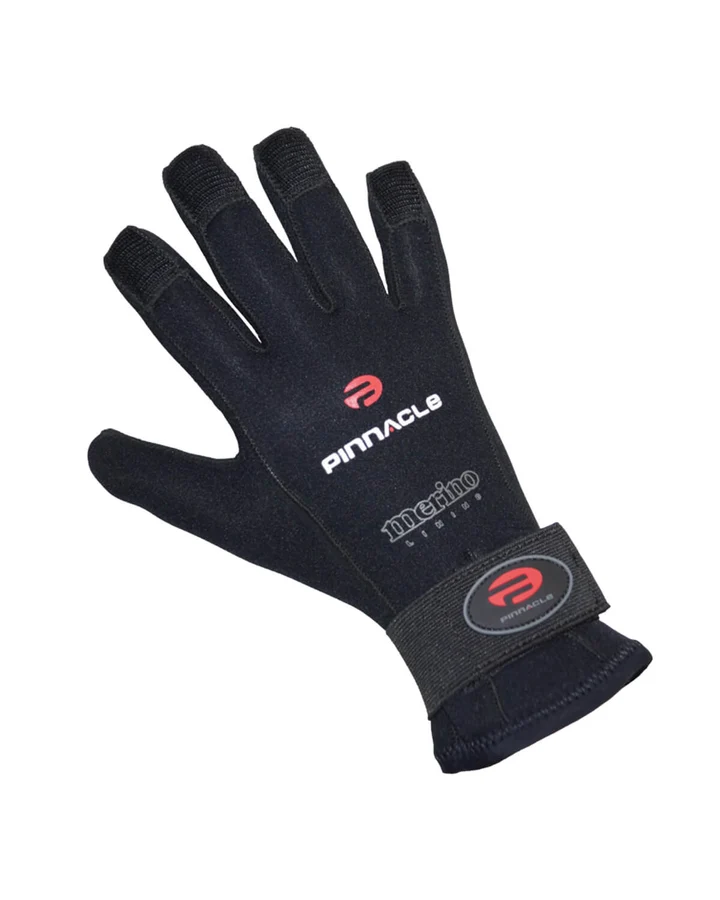
5-finger gloves
Five-finger gloves are the most common style for scuba diving because they allow each finger to move independently. They’re a good option for divers who need to handle equipment, operate their inflator, adjust their camera settings or work with dive accessories.
The trade-off is that individual fingers lose heat more quickly than they do when grouped together, so 5-finger gloves may not be the warmest choice in colder water.
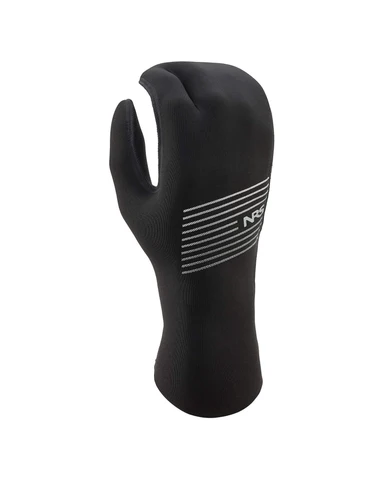
3-finger gloves
Three-finger gloves, sometimes called lobster gloves, group two fingers together while keeping the thumb separate. This design helps retain more warmth while still allowing some dexterity.
They’re a popular option for cold-water diving, particularly when 5mm gloves aren’t providing enough insulation.
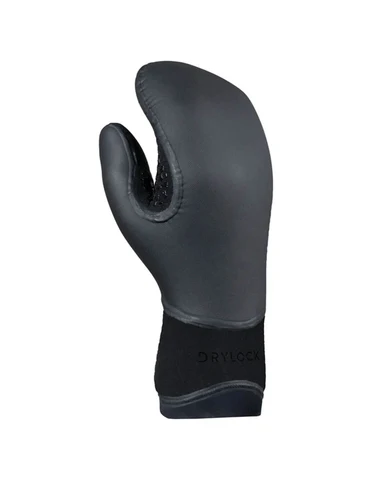
Mitts
Mitts group the fingers together to help retain warmth, making them a good choice for colder conditions. They generally offer less dexterity than 5-finger gloves, though, so operating gear can take some getting used to.
Dry gloves
Dry gloves are an option for divers wearing drysuits, particularly in very cold water. Rather than relying solely on neoprene insulation, dry gloves help keep water out and can be paired with insulating liners.
What thickness scuba gloves do I need?
- 2–3mm gloves: Warmer water, around 65–75°F, or for protection rather than warmth.
- 3–5mm gloves: Cooler water, around 55–65°F.
- 5mm gloves: Cold water, around 50–55°F.
- 5–7mm mitts or dry gloves: Very cold water, generally below 50°F, depending on your setup.
Thicker gloves and mitts can make it more difficult to operate your inflator, dump valves, reels or cameras. If you regularly dive in cold water, it’s worth practicing with your gloves on before getting in the water.
You’ll also want to make sure your glove gauntlets overlap your wetsuit sleeves to help minimize water flushing.
One more thing to keep in mind: Some marine parks and dive destinations restrict glove use to discourage divers from touching marine life. Check local regulations before heading out.
5. Dive Boots: Thickness, Soles & Fin Compatibility
Dive boots provide insulation, protect your feet and help make walking to and from the water more comfortable. The right dive boots thickness depends on water temperature, the type of fins you’re using and whether you’re entering the water from a boat or shore.
Browse our Wetsuit Boots collection to find dive boots in a variety of thicknesses and styles.
Open-heel fins require boots
Open-heel fins are designed to be worn with neoprene dive boots. Boots provide warmth, protect your feet and help prevent discomfort from the fin straps.
Boots also make shore entries more comfortable, especially when you’re walking across rocks, gravel or other uneven surfaces.
Soft soles vs. hard soles
The type of sole you choose depends on where you’re diving:
- Soft soles: Lightweight, flexible and generally better suited for boat diving or relatively easy entries.
- Hard soles: More durable and protective, making them a better choice for rocky shore entries, uneven terrain and walking to the water.
Full-foot fins and neoprene socks
Full-foot fins are generally worn without boots, although neoprene socks can help provide insulation and prevent rubbing. If you’re diving in warmer water, full-foot fins paired with lightweight neoprene socks may be all you need.
For more on the differences between fin styles and other snorkeling gear, check out Snorkeling vs. SCUBA Diving: Which Is Right for You?
What thickness dive boots do I need?
- 3mm boots: Warm water, generally around 72–80°F.
- 3–5mm boots: Mild to moderately cool water, around 65–72°F.
- 5mm boots: Cooler water, generally around 55–65°F.
- 5–7mm boots: Cold water, generally around 50–55°F.
- 7mm boots: Very cold water, generally below 50°F.
The thickness you choose also depends on your fins. Make sure your boots and fins are sized together so your boots fit comfortably inside the fin pocket without being too tight.
You’ll also want to pull your wetsuit legs over your dive boots rather than tucking them inside. This helps reduce water flushing and creates a more comfortable seal around your ankles.
6. Matching Your Dive Accessories to Your Wetsuit
One of the easiest ways to determine what thickness dive hood, gloves and boots you need is to start with the wetsuit you’re already wearing.
As a general rule, your hood should be at least as thick as your wetsuit, especially when diving in colder conditions. Your gloves and boots should also provide enough insulation to match the conditions and your overall suit setup.
Common wetsuit and accessory pairings:
| Wetsuit Thickness | Hood | Gloves | Boots |
|---|---|---|---|
| 3mm wetsuit | 3mm hood | 2–3mm gloves | 3mm boots |
| 5mm wetsuit | 5mm hood or 5/3 bibbed hood | 3–5mm gloves | 5mm boots |
| 7mm wetsuit | 7mm or 7/5mm hood | 5mm gloves or 3-finger mitts | 5–7mm boots |
These are starting points rather than strict requirements. If you’re diving in warmer water with a 5mm wetsuit, you may not need 5mm accessories. On the other hand, if you’re diving in colder water or spending a lot of time underwater, thicker accessories may be worth considering.
Adding a hood, gloves and boots can also be a more affordable way to improve your warmth than upgrading your entire wetsuit. If you’re deciding between a 5mm and 7mm wetsuit, read our 5mm vs 7mm: When Is the Extra Bulk Worth It? guide to help determine which thickness makes the most sense.
If you’re ready to upgrade your wetsuit, browse our SCUBA Diving Wetsuits collection.
7. Weighting & Buoyancy With Thicker Dive Accessories
Adding thicker neoprene accessories can slightly change your buoyancy, which is something to consider when upgrading your dive hood, gloves or boots.
Neoprene contains gas-filled cells that provide insulation and buoyancy. As you add more neoprene, you may need to adjust your weighting to compensate. Thicker accessories can also compress more at depth, changing their buoyancy characteristics throughout the dive.
If you’ve recently upgraded to thicker accessories, don’t assume your existing weight setup will work exactly the same.
Before heading into open water:
- Recheck your weighting after changing accessory thicknesses.
- Test your new setup in a pool or shallow, controlled environment when possible.
- Make sure you’re comfortable managing your buoyancy with your new gear.
- Avoid making significant weighting changes without testing them in appropriate conditions.
Even small equipment changes can affect your overall setup, so it’s worth taking the time to make sure everything works together.
8. Fit, Sizing & Care for Dive Accessories
The right thickness won’t do much good if your accessories don’t fit properly. A hood, gloves or boots that are too loose can allow water to flush through, while overly tight accessories can restrict movement, create discomfort and make it harder to dive comfortably.
What to look for when sizing dive accessories:
- Hoods: Snug around your head, jaw and neck without creating excessive pressure or interfering with equalizing.
- Gloves: Comfortable around your fingers and wrists, with enough flexibility to operate your gear.
- Boots: Snug without compressing your toes, and compatible with your fins.
Once you’re finished diving, proper care will help extend the life of your neoprene accessories. Rinse your hood, gloves and boots thoroughly with fresh water after every dive, including the inside. Salt, sand and other debris can build up over time, especially in areas that are difficult to rinse.
Allow everything to dry fully before storing it. Gloves and boots can hold moisture longer than you’d expect, so make sure they’re completely dry to help prevent odor and deterioration.
For more tips, check out our guide on How to Get Rid of Wetsuit Smell and browse our Accessories & Care collection.
Choosing the Right Dive Hood, Gloves & Boots for Your Conditions
Choosing the right dive hood, gloves and boots comes down to water temperature, dive conditions, your wetsuit and how comfortable you are in the water. While 65°F is a good starting point for adding neoprene accessories, colder conditions generally require thicker insulation and more coverage to help keep your extremities warm.
A properly fitted hood, gloves and boots can make a noticeable difference in how comfortable you are underwater, particularly during longer dives, repetitive dive days or when you’re diving in colder conditions. Rather than automatically choosing the thickest accessories available, think about how each piece works with your wetsuit, fins and overall dive setup.
With the right combination of neoprene accessories, you’ll be better equipped to stay comfortable, protect your extremities and enjoy more time underwater.
Frequently Asked Questions
At what water temperature do you need a scuba hood?
Most divers start adding a scuba hood when water temperatures reach around 65°F or lower. A 3mm hood is generally a good starting point for water around 65–72°F, while a 5mm or 7mm hood is better suited for colder conditions. Your dive duration, depth, wetsuit thickness and personal cold tolerance can all affect the thickness you need.
What thickness scuba gloves do I need?
Scuba gloves thickness depends on the water temperature and how much dexterity you need underwater. Generally, 2–3mm gloves work well in warmer water, 3–5mm gloves are better for cooler conditions, and 5mm gloves or mitts are suited for colder water. Divers in very cold water may prefer 5–7mm mitts or dry gloves.
Do you need boots for scuba diving?
Boots are generally required when using open-heel fins, since they protect your feet and provide a comfortable fit inside the fin pocket. Full-foot fins are typically worn without boots, although neoprene socks can help provide insulation and prevent rubbing. Boots are also helpful for shore entries, especially when walking over rocks or uneven surfaces.
Should my dive hood be the same thickness as my wetsuit?
As a general rule, your dive hood should be at least as thick as your wetsuit when diving in cooler conditions. A 3mm wetsuit commonly pairs with a 3mm hood, a 5mm wetsuit with a 5mm hood, and a 7mm wetsuit with a 7mm or 7/5mm hood. In warmer water, you may be able to wear a thinner hood or skip one altogether.
Does a scuba hood affect equalizing?
A properly fitted scuba hood shouldn’t interfere with equalizing your ears. However, a hood that’s too tight around your head, jaw or ears can create discomfort and make equalizing more difficult. Choose a hood that fits snugly without excessive pressure, and make sure it doesn’t restrict your ability to equalize during descent.
Are dive gloves allowed everywhere?
No. Some marine parks, protected reef areas and dive destinations restrict or prohibit glove use to discourage divers from touching marine life. Regulations vary by location, so check local rules before your trip. Even when gloves are permitted, divers should avoid touching marine life or reef structures unless explicitly allowed.