


Winter Surfing Kit by Water Temp: Hood, Gloves & Boots
Lauren December 15th, 2016 Posted In: Articles, How-To Tags: Surfing
Winter surfing isn’t for everyone, but as Robbie Nelson of ProSurf Coaches pointed out in his original winter surfing guide, some of the best waves come when the summer crowds have disappeared. And thanks to modern wetsuit technology, surfing through the coldest months is more comfortable than ever.
The secret? Having the right cold water surfing gear for the conditions. Your winter surfing kit should be built around water temperature, starting with the right wetsuit thickness, followed by boots, gloves, and a hood as temperatures drop. Here’s how to put together the right setup for your next cold-water session.
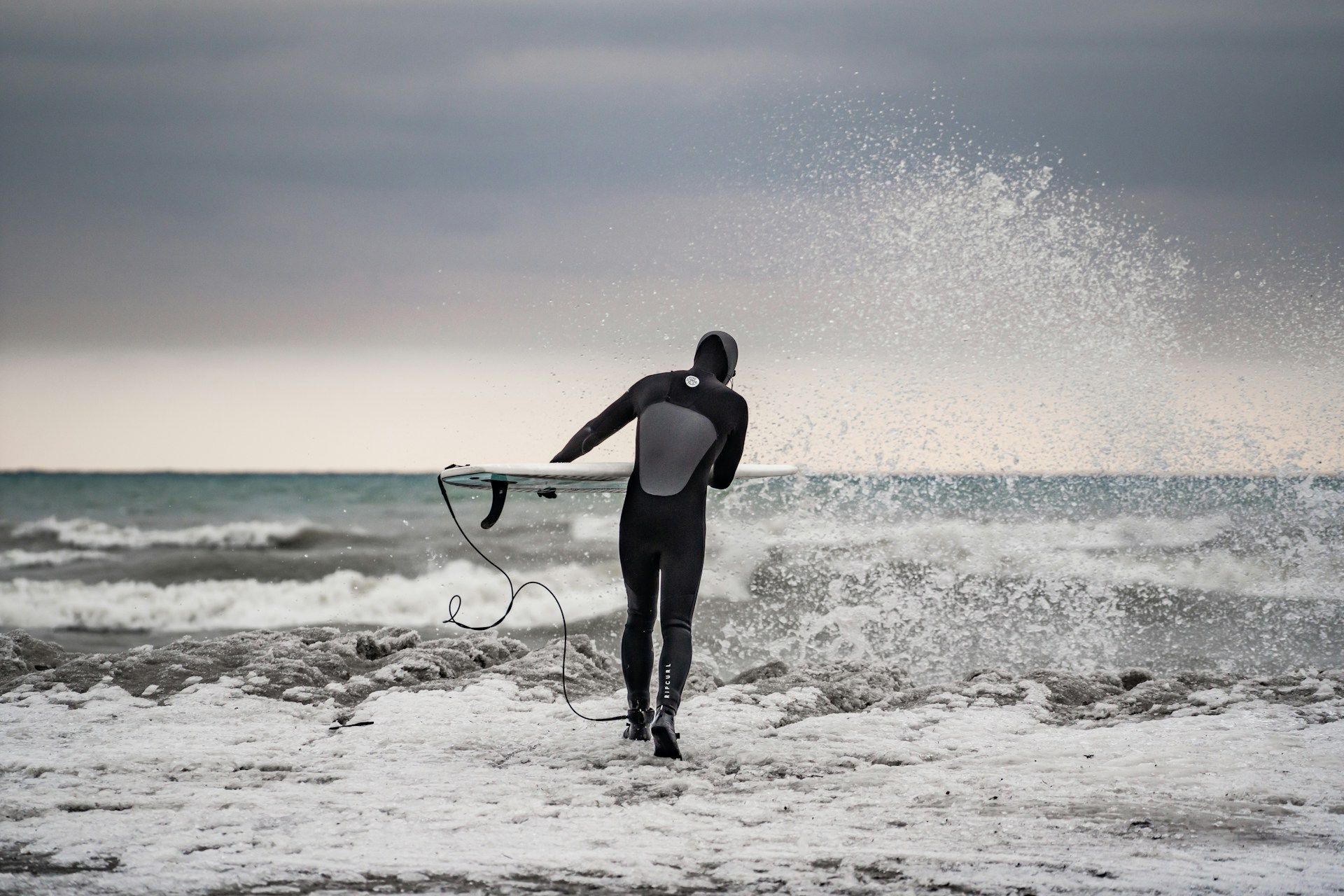
Winter Surfing Gear by Water Temperature
When it comes to winter surfing, choosing the right cold water wetsuit and accessories can make or break your session. The colder the water gets, the more insulation you’ll need to stay comfortable. While your wetsuit provides the foundation, boots, gloves, and a hood help protect your extremities and keep you warm.
Use the chart below as a general starting point for choosing your winter surfing wetsuit and accessories.
| Water Temperature | Wetsuit Recommendation | Boots | Gloves |
|---|---|---|---|
| 60–65°F | 3/2mm or 4/3mm fullsuit | Optional 2–3mm | Usually optional |
| 55–60°F | 4/3mm fullsuit | 3–5mm | Optional 2–3mm |
| 50–55°F | 4/3mm or 5/4mm hooded wetsuit | 5mm | 3–5mm |
| 45–50°F | 5/4mm hooded wetsuit | 5–7mm | 5mm or lobster mitts |
| Below 45°F | 5/4/3mm or 6/5mm hooded wetsuit | 7mm | 5–7mm mittens |
Keep in mind: These recommendations are general guidelines, not hard-and-fast rules. Wind chill, air temperature, session length, activity level, and personal cold tolerance can all affect how warm you’ll feel. If you’re surfing in particularly windy conditions or staying in the water for extended periods, you may need thicker gear even when the water temperature falls within a warmer range.
Not sure how cold your local surf conditions are? Check out our Water Temperature Chart to find the average water temperatures in your area and choose your gear accordingly.
For especially cold conditions, you can also browse our Men’s 5mm & Up Fullsuits and Women’s 5mm & Up Fullsuits.
Choosing the Right Winter Surfing Wetsuit
Your wetsuit is the most important piece of your winter surfing gear. While thickness is a major consideration, there are a few other construction features worth paying attention to when shopping for a cold-water suit.
- Wetsuit Thickness: Most winter surfing wetsuits range from 4/3mm to 6/5mm, depending on water temperature and conditions. The first number typically represents the thickness of the neoprene around the torso, while the second and sometimes third numbers represent the thickness in the arms and legs. Thicker neoprene provides additional insulation, while thinner panels help maintain flexibility for paddling.
- Sealed and Taped Seams: Seams are another important consideration. Blind-stitched, glued, and taped seams help reduce water entry and keep cold water from flushing through the suit. Look for sealed seam construction when shopping for a winter surfing wetsuit.
- Thermal Linings: Many premium cold-water wetsuits feature thermal lining materials that help retain body heat while improving comfort. These linings are particularly helpful during longer sessions in colder conditions.
- Zipper Construction: Chest-zip and zip-free wetsuits generally minimize water entry compared to traditional back-zip designs. A well-designed entry system helps keep your core warm and reduces flushing.
- Integrated vs. Separate Hoods: Some winter wetsuits feature an attached hood, while others are designed to be worn with a separate wetsuit hood. Integrated hoods provide convenient head and neck coverage, while separate hoods offer more flexibility depending on the conditions.
When shopping for a cold-water suit, prioritize warmth, seam construction, and a comfortable fit. Check out our Cold Water Wetsuits and Hooded Wetsuits to find options designed for colder conditions.
For more information on choosing the right suit, read our guides on What Thickness Wetsuit Do I Need? and How Are Wetsuits Rated for Warmth?
Wetsuit Hoods: When You Need One and Which Type to Choose
If there’s one accessory that can make a noticeable difference during a cold-water surf session, it’s a wetsuit hood. Your head and neck are exposed to cold water and wind throughout your session, so adding proper coverage can significantly improve overall comfort.
As a general guideline, consider adding a hood when water temperatures drop below approximately 55°F. Some surfers prefer one even sooner, especially when dealing with cold air temperatures, wind, or longer sessions.
There are two main types of wetsuit hoods to consider:
- Attached or Integrated Hoods: These are built directly into a hooded wetsuit, providing continuous coverage around the head and neck. They’re a great option for surfers who regularly encounter cold water and want maximum insulation without worrying about a separate accessory shifting around.
- Separate Bibbed Hoods: A separate wetsuit hood typically features a bib that tucks underneath or overlaps the wetsuit collar. This helps reduce water entry around the neck while allowing you to add or remove head protection depending on conditions.
What Thickness Wetsuit Hood Do You Need?
Wetsuit hoods commonly come in 2–3mm and 5mm thicknesses.
- 2–3mm hoods: Best for cool water and milder winter conditions when you need some additional warmth without too much bulk.
- 5mm hoods: Better suited for colder water and extended winter sessions when maximum insulation is important.
Another thing to consider is ear protection. Repeated exposure to cold water and wind can contribute to surfer’s ear, a condition involving abnormal bone growth in the ear canal. Wearing a wetsuit hood and properly fitted surf earplugs can help protect your ears from prolonged cold-water exposure.
Wetsuit Boots: Thickness, Round Toe vs. Split Toe
Cold feet can quickly turn an otherwise great surf session into an uncomfortable one. That’s why choosing the right wetsuit boots is just as important as choosing the right wetsuit.
Like wetsuits, surf boots come in different thicknesses to accommodate varying water temperatures. A general guideline is:
- 2–3mm boots: Best for cool water and milder conditions.
- 3–5mm boots: A good option for colder water and early winter conditions.
- 5–7mm boots: Designed for cold winter surfing when additional insulation is necessary.
Round Toe vs. Split Toe Wetsuit Boots
When shopping for wetsuit boots, you’ll typically encounter two main designs: round toe and split toe.
- Round Toe Boots: These boots keep all your toes together inside one compartment. Because your toes share body heat, round toe boots are often a warmer option for extremely cold conditions. They’re also a comfortable choice for surfers who prefer a more traditional boot design.
- Split Toe Boots: Split toe boots separate the big toe from the remaining toes, creating a more natural foot position and helping improve board feel and stability.
There are also two variations:
- Internal Split Toe: The big toe is separated inside the boot, while the exterior maintains a more traditional rounded shape.
- External Split Toe: The big toe has its own separate compartment that extends to the outside of the boot.
If warmth is your biggest priority, round toe boots are worth considering. If you prefer a little more board feel and control, split toe designs may be a better fit.
How Should Wetsuit Boots Fit?
Proper sizing is essential for keeping your feet warm. Wetsuit boots should fit snugly without restricting circulation or causing discomfort. If they’re too loose, water can collect around your toes, reducing insulation and making your feet feel colder.
A good fit should leave very little extra space inside the boot, particularly around the toe area.
Also, make sure your boots seal properly around your wetsuit legs to help prevent water from flushing inside. Tucking your wetsuit legs into the boots, when appropriate for the boot design, can help create a more secure fit.
Wetsuit Gloves vs. Mittens: Which Is Warmer?
Cold hands can make paddling, gripping your board, and handling your leash difficult. When water temperatures drop, adding wetsuit gloves or mittens is essential for maintaining comfort and dexterity.
There are three common styles to consider:
- Five-Finger Gloves: These provide individual finger compartments, allowing for better dexterity and grip. They’re a good choice for surfers who need more finger movement when handling their boards and equipment.
- Three-Finger or Lobster Gloves: These designs group some of your fingers together while keeping the thumb separate. They offer a nice middle ground between warmth and dexterity.
- Mittens: Mittens keep your fingers together in one compartment, allowing them to share body heat. They’re generally the warmest option and are especially useful during the coldest winter months.
Robbie’s Winter Surfing Tip: Choose Mittens in the Coldest Months
In his original winter surfing guide, Robbie Nelson recommended mittens over traditional five-finger gloves when temperatures really start to drop. Keeping your fingers together helps retain warmth, making mittens a great option for surfers dealing with extremely cold water.
The trade-off? Mittens can make paddling and gripping your board a little more challenging. Some designs incorporate webbed palms to help improve paddling efficiency, but thicker gloves and mittens can still increase forearm fatigue.
What Thickness Wetsuit Gloves Do You Need?
As water temperatures drop, you’ll generally want to increase glove thickness:
- 2–3mm gloves: Cool water and milder winter conditions.
- 3–5mm gloves: Colder water and extended sessions.
- 5–7mm gloves or mittens: Extremely cold water and harsh winter conditions.
Make sure your gloves fit snugly without restricting movement or circulation. Oversized gloves can allow water to circulate inside, while gloves that are too tight can make your hands feel even colder.
How to Get Thick Wetsuit Boots and Gloves On and Off
Anyone who’s worn 5mm or 7mm wetsuit boots and gloves knows they can be a real struggle to get on and off. The thicker the neoprene, the less stretch you’ll have to work with.
Fortunately, there are a couple of tricks that can make getting dressed for a cold-water session much easier.
Robbie’s Soap Trick
Robbie recommends using a small amount of water-based liquid soap around the inside opening of your wetsuit boots and gloves. This helps the neoprene slide over your hands and feet without pulling or stretching the material excessively.
Just use a little! Too much soap can cause your hands and feet to slide around inside the gear. Be sure to rinse everything thoroughly with cool, fresh water afterward, since soap residue can contribute to material breakdown.
Try Wetsuit Socks
Another helpful trick is wearing thin wetsuit socks when putting on thicker boots. They create a smoother surface for your feet to slide against, making it easier to pull boots into position.
Wetsuit socks are also useful for added warmth and comfort during particularly cold sessions. Check out our Wetsuit Socks collection for options to pair with your winter boots.
Before and After Your Winter Surf Session: How to Stay Warm
Staying warm during winter surfing isn’t just about what you wear in the water. Preparing before your session and having a plan for afterward can make a huge difference in how comfortable you feel.
Robbie’s original advice was all about planning ahead, and it’s still worth following today.
Prepare Your Gear the Night Before
If the forecast is calling for good waves, get everything ready the evening before. Nobody wants to be digging through a cold garage or searching for a missing glove at 6 a.m. Pack your wetsuit, boots, gloves, hood, towels, and any other accessories you’ll need. Make sure your surfboard is ready, your fins are installed, and your leash is in good condition.
Another great tip from Robbie: Wax your board before leaving the house. Trying to spread cold, stiff wax across an equally cold surfboard at the beach is no fun. Getting this out of the way beforehand means less time standing around in the cold.
Bring Warm Water for After Your Session
One of Robbie’s best winter surfing tricks is bringing a cooler filled with jugs of warm water.
Before heading out, fill several gallon jugs with warm (not hot) water and place them inside an insulated cooler. After your session, you can use the water to rinse off or carefully pour it over the outside of your wetsuit to help warm up.
Just make sure the water isn’t too hot. Excessive heat can damage neoprene, seam tape, and other wetsuit materials, and hot water can burn your skin.
Have Warm Clothes Ready
Once you’re out of the water, get out of your wet gear and into warm, dry clothing as soon as practical. A few things worth keeping in your car include:
- A warm coat or changing robe
- A dry beanie
- Sweatpants and a sweatshirt
- Warm socks and boots
- A towel or waterproof blanket for your car seats
- A thermos with a warm beverage
One thing to understand about cold-water surfing is that your body temperature can continue dropping even after you’ve left the water. This is sometimes called afterdrop. That’s why getting dry, changing into warm clothing, and warming up gradually are so important.
Change at Home When Possible
Robbie was pretty firm about this one: avoid changing outside in freezing temperatures whenever possible.
If you can, put your wetsuit on at home and drive to the beach already suited up. After your session, head somewhere warm to change out of your wetsuit rather than spending 10 minutes battling cold air, wet gear, and freezing fingers in a parking lot.
If changing at home isn’t practical, look for a nearby indoor location with a restroom or changing area. For more tips on making the process easier, check out How to Change In and Out of a Wetsuit.
You can also browse our Wetsuit Accessories & Care collection for changing robes and other helpful cold-weather accessories.
How to Care for Your Winter Surfing Gear Between Sessions
You’ve invested in quality winter surfing gear, so don’t forget to take care of it! Proper maintenance helps preserve neoprene, prevent premature wear, and keep your wetsuit and accessories performing season after season.
Here are a few simple habits to follow:
- Rinse Everything After Each Session: Thoroughly rinse your wetsuit, boots, gloves, and hood with cool, fresh water to remove salt, sand, and other debris.
- Hang Your Wetsuit Properly: Avoid hanging a heavy, wet wetsuit directly by the shoulders on a thin hanger. This can stretch the neoprene and put unnecessary stress on the seams. Instead, fold the suit in half over a thick bar or a wide wetsuit hanger.
- Keep Gear Away From Direct Sunlight and Heat: Excessive UV exposure and high temperatures can break down neoprene, weaken seams, and shorten the lifespan of your gear. Dry everything in a shaded, well-ventilated area.
- Dry Boots and Gloves Thoroughly: Thick neoprene accessories can take longer to dry than your wetsuit. A boot and glove dryer can help circulate air and speed up the drying process. Just make sure to use a low-heat or cool-air setting designed for neoprene.
- Store Everything Properly: Make sure your gear is completely dry before storing it between sessions. Avoid leaving wet equipment in your car, trunk, or a sealed gear bag for extended periods.
Get Ready for Your Next Winter Surfing Session
Winter surfing might require a little more preparation, but the payoff can be well worth it. With fewer crowds, great waves, and the right cold water surfing gear, there’s no reason to pack away your board when temperatures start dropping.
Start with a properly fitted winter surfing wetsuit, choose the right wetsuit boots, gloves, and hood thickness for your local water temperature, and don’t forget to plan ahead for staying warm before and after your session. A little preparation goes a long way toward making cold-water surfing comfortable and enjoyable.
Whether you’re gearing up for your first winter session or you’re a seasoned cold-water surfer like Robbie, having the right equipment makes all the difference. Stay warm, take care of your gear, and enjoy those empty winter lineups!
Frequently Asked Questions About Winter Surfing Gear
What water temperature do you need a hood for surfing?
Most surfers start considering a wetsuit hood when water temperatures drop below approximately 55°F. However, wind, air temperature, session length, and personal cold tolerance can influence when you need one. A 2–3mm hood works well in cooler conditions, while a 5mm hood provides additional insulation in colder water.
What thickness wetsuit boots do I need for winter surfing?
Wetsuit boot thickness depends on water temperature. Generally, 3–5mm boots work for moderately cold conditions, while 5–7mm boots are better for colder winter water. For temperatures below 45°F, 7mm boots are a common choice.
Are mittens warmer than gloves for surfing?
Yes. Wetsuit mittens are generally warmer than traditional five-finger gloves because they keep your fingers together, allowing them to share body heat. Three-finger lobster gloves offer a middle ground between warmth and dexterity, while five-finger gloves provide more individual finger movement.
Is a 5/4 wetsuit warm enough for winter surfing?
A 5/4mm wetsuit can be warm enough for many winter surfing conditions, particularly when paired with appropriately thick boots, gloves, and a hood. However, in extremely cold water, temperatures below 45°F, or harsh wind conditions, a thicker 5/4/3mm or 6/5mm hooded wetsuit may be a better choice.
Split toe or round toe wetsuit boots for cold water?
Round toe wetsuit boots are generally warmer because they keep all your toes together, allowing them to share body heat. Split toe boots separate the big toe to improve board feel and stability. If warmth is your top priority, round toe boots are often the better choice for extremely cold water.
How do you keep your hands warm while surfing in winter?
Choose properly fitted wetsuit gloves or mittens with enough neoprene thickness for your water temperature. Mittens are generally the warmest option for extremely cold conditions, while three-finger lobster gloves offer a balance of warmth and dexterity. Make sure your gloves fit snugly without restricting circulation, and avoid water flushing through the wrist openings.