


The Complete Guide to Snorkeling: Gear, Safety, and Technique
Lauren December 29th, 2025 Posted In: How-To
Snorkeling is one of the easiest ways to explore the underwater world. There are no tanks and no certifications needed, just you and the ocean. That said, many first-timers discover that learning how to snorkel isn’t always as effortless as it looks. Foggy masks, leaky seals, awkward breathing, and tired legs can quickly turn excitement into frustration.
The good news? Once you understand the basics – and learn how to troubleshoot common issues – snorkeling becomes calm, intuitive, and incredibly rewarding. This guide is designed to help you learn how to snorkel step-by-step, answer the most common beginner panic points, and help you feel confident from the moment you hit the water!
Snorkeling Gear Checklist (Start Here)
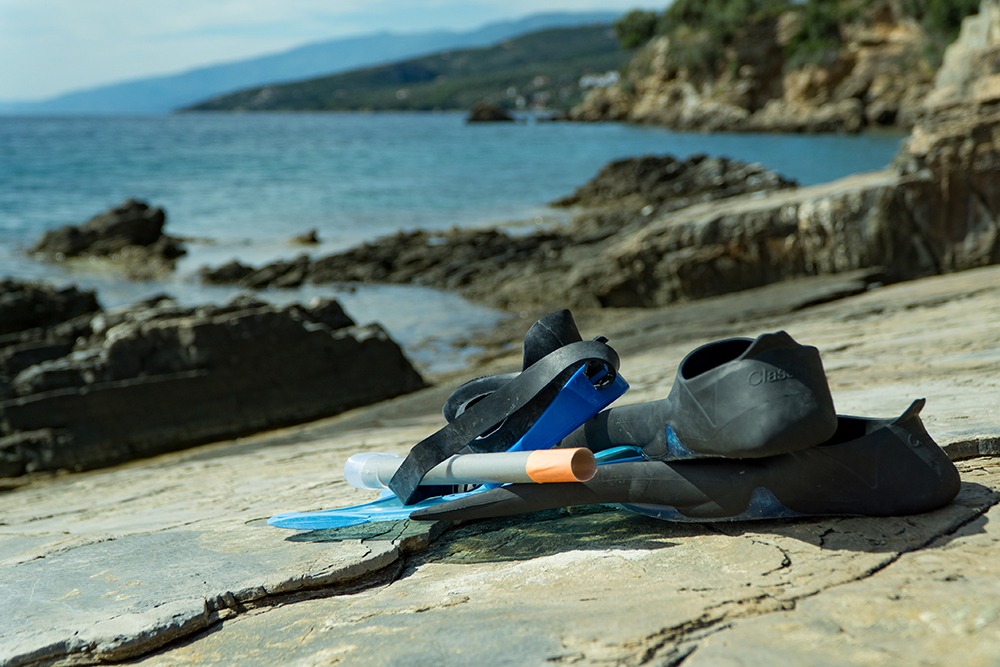
Before we get into technique, let’s make sure you’re properly equipped. Having the right gear makes learning how to snorkel dramatically easier.
Essential snorkeling gear:
- Mask (properly fitted)
- Snorkel (dry snorkels are best for beginners)
- Fins (snug but not tight)
- Defogger (or baby shampoo)
- Rash guard or a wetsuit for snorkeling (depending on water temperature)
- Optional: buoyancy or snorkel vest
Choosing gear that fits well as well as suits the conditions you’re snorkeling in solves most beginner problems before they start.
How to Snorkel: The Real Basics
At its core, snorkeling is simple: float on the surface, breathe through the snorkel, and observe what’s below you. But learning how to snorkel comfortably requires understanding a few key fundamentals.
Start in calm, shallow water where you can stand if needed. Practice breathing through the snorkel before fully floating. Use slow, relaxed breaths through your mouth. Your face stays in the water, the snorkel tip stays above it, and your body stays relaxed.
Most issues beginners face aren’t about fear of the ocean – they’re about small gear or technique problems. Let’s tackle those next.
Solve the Biggest Beginner Panic Points
The Fog Fix (The #1 Complaint)
A foggy mask instantly ruins a snorkel session. New masks are especially prone to fogging because of manufacturing residue on the lens.
To prevent fog:
- For new masks, gently scrub the lens with non-gel toothpaste before first use
- Before each session, apply baby shampoo (diluted) or a commercial defogger
- Rinse lightly—don’t fully wash it away
A clear and clean snorkel mask makes learning how to snorkel far more enjoyable.
The Leaky Mask Fix
If water keeps sneaking into your mask, it’s usually not defective, it’s fit-related.
Common causes:
- Strap pulled too tight (this actually breaks the seal)
- Hair caught under the skirt
- Smiling or talking too much
The mask should sit snugly on your face without excessive strap tension. A relaxed face equals a better seal.
Clearing Water From Your Snorkel
At some point, water will enter your snorkel. No need to panic though because this is normal.
The most common method of clearing a snorkel is the blast technique:
- Take a deep breath
- Forcefully exhale to blow water out the snorkel
Dry snorkels reduce this issue significantly and are ideal for beginners.
Proper Snorkeling Technique (Swim Smarter, Not Harder)
Many beginners burn out quickly because of inefficient movement. Good technique makes snorkeling feel effortless.
The Hip Kick
Power comes from your hips, not your knees. Keep your legs mostly straight, toes pointed, and kick slowly. Think long, relaxed movements rather than fast bicycle kicks.
Arm Placement
Your arms aren’t for swimming. Keep them crossed over your chest or relaxed at your sides. This conserves energy, keeps you warmer, and makes you less noticeable to marine life.
Head Position
Look slightly forward at about a 45-degree angle, not straight down. This keeps the snorkel tip higher and helps prevent water from entering.
What to Wear When You Snorkel
A bathing suit won’t suffice for most snorkeling expeditions. The water conditions play a major factor in what you’ll wear when snorkeling. Water temperature – not air temperature – should guide what you wear.
In warm water, a rash guard protects against sunburn and irritation from your gear. In cooler conditions, a snorkeling wetsuit helps retain body heat and improves buoyancy. A buoyancy vest is also ideal, as it allows you to float near the surface without a lot of effort.
Make Sure the Mask Fits Your Face
Never head out to snorkel without being sure the mask fits your face. It should fit comfortably yet still be snug so no water can seep inside. The strap should be placed around the widest part of the back of your head and not at the base.
Wear the Right Size Fins
You’ll have an easier time snorkeling if you’re wearing swimming fins that help you glide through the water. The wrong size can have a major impact on the activity, with a small pair causing you to cramp up. Fins should fit snugly but should not feel tight. It’s better to have a pair that fits a bit big rather than fins that are much too small.
Don’t Bite Down
Many people believe they have to bite down on the mouthpiece of a snorkel. Doing so for a long duration can cause serious jaw pain! Instead of biting down, simply rest the teeth on the device and allow the jaw to relax and remain unclenched. This will lead to a better experience when in the water.
Snorkeling Safety & Etiquette (Don’t Skip This)
Learning how to snorkel safely is just as important as learning technique.
Key safety rules:
- Never snorkel alone! Always use the buddy system
- Check weather, currents, and local conditions
- Stay within your comfort zone
Protect the environment:
- Use reef-safe sunscreen
- Avoid touching coral or marine life
- Float above reefs, never stand on them
This “look but don’t touch” mindset protects fragile ecosystems and ensures future snorkelers can enjoy them too.
Quick Troubleshooting Guide
Need the TL;DR version to fix any of your snorkeling problems or issues? We’ve got you covered!
Problem: Mask fogging
→ Solution: Toothpaste scrub (new mask) + baby shampoo or defogger
Issue: Water leaking into mask
→ Solution: Loosen strap, remove hair from seal
Problem: Water in mouth
→ Solution: Use blast method, relax jaw, ensure proper snorkel fit
Issue: Leg fatigue
→ Solution: Slow your kick, engage hips, let fins do the work
Final Thoughts: Snorkeling Gets Better – Fast
Snorkeling has a short learning curve, and once you move past the initial gear quirks, it becomes one of the most peaceful ways to explore the water. By understanding how to snorkel properly and taking time to learn how to snorkel with the right equipment, technique, and safety mindset, you’ll spend less time adjusting your mask – and more time watching fish glide by!
Whether you’re floating over a tropical reef or exploring a local cove, the underwater world is waiting. Get comfortable, stay relaxed, and enjoy every breath.