


What Is The Environmental Impact Of Wetsuit Manufacturing?
Wes Severson July 8th, 2025 Posted In: Articles
Wetsuits keep us warm and allow us to enjoy cold bodies of water around the globe. Without them, we wouldn’t be able to admire their beauty, power, and mystery. But have you ever wondered what sort of environmental impact a wetsuit has on the very ecosystems they’re meant to let us enjoy?
As you keep reading, you’ll discover the environmental impact of wetsuit manufacturing, what makes them problematic for the environment, and how the industry is responding with alternatives.
Problematic Petroleum Pollution
The environmental impact of wetsuit manufacturing runs deep because of how most wetsuits are made. They’re traditionally made of neoprene, a petroleum-based rubber substance created from crude oil. It’s refined and then chemically treated using all kinds of hazardous materials that spew greenhouse gases and toxic byproducts.
There are wetsuits made of limestone, and natural rubber substances like Yulex and Geoprene. But, most of them also start rapidly increasing their carbon footprint early on. In part thanks to mining and harvesting practices that require gas-powered machinery, and that could also lead to the destruction of certain habitats.
According to the Turtl Project, a conventional neoprene wetsuit releases over 28 pounds of CO2 emissions during its production. When it comes to yearly wetsuit production, the report says there are 244 million pounds of CO2 being sent into the atmosphere. Which is the same as tens of thousands of long-haul flights.
Neoprene’s Next Problem
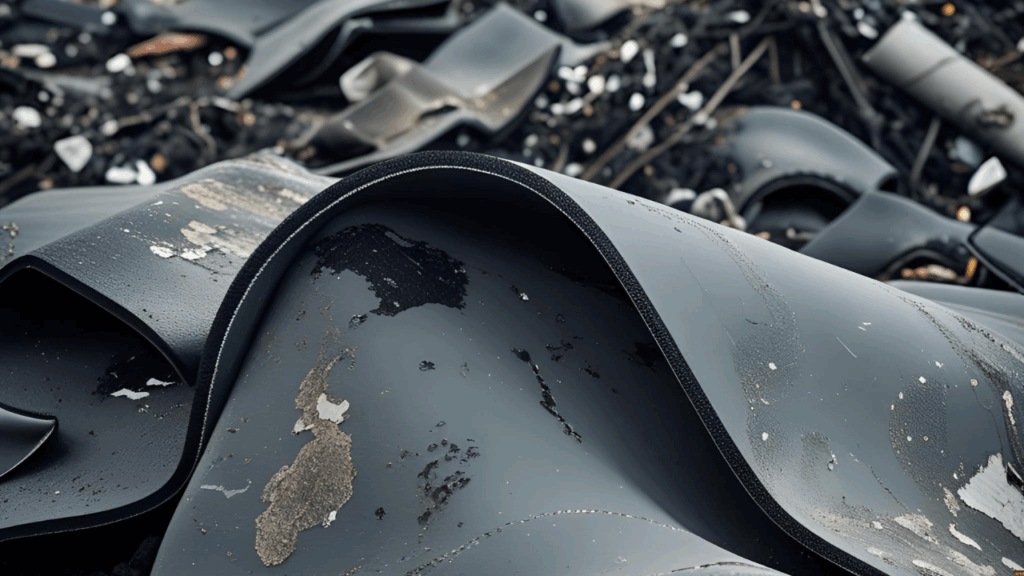
The environmental impact of wetsuit manufacturing goes a step further. After the neoprene is cut into sheets of the appropriate length that will create the wetsuit, there’s a bunch of scraps left over and most of that goes right into landfills. Sadly, because of the composition of neoprene, recycling wetsuits is pretty much impossible.
Wetsuits are also not biodegradable. Once yours is worn out and you get a new one, you’re probably going to throw it away at some point. Which means it’ll sit in a landfill contributing to long-term waste. The same goes for wetsuits that have manufacturing problems that make them unsellable and unsold overstock wetsuits. More often than not, they end up at the dump.
According to the Turtl project, it can take more than a 100 years for a wetsuit to break down at a landfill. They also say over 8,000 tons of neoprene gets thrown away every year. And since there’s a significant amount of dying that goes into making neoprene, those dies leach toxic chemicals like Carbon Black. This can contaminate groundwater, which could eventually start impacting the food chain.
Carbon Black is also produced by dyes decomposing in decaying tires. Those dying processes also drain a lot of power, and the byproduct can be chemical-filled wastewater that needs to be properly dealt with.
Carbon-Filled Construction Process
It’s not just the problems with neoprene that deepen the environmental impact of wetsuit manufacturing. There’s a lot more that goes into the construction of a modern wetsuit. The wetsuit industry is notorious for using hardcore glues and adhesives to connect sheets of neoprene and install various fabric linings on the insides and outsides of the suits.
This is not an easy process and requires a lot of power to heat, mix, and even bake materials to get them to work right. That means wetsuit factories are sucking down the energy and leaving a large carbon footprint behind. Beyond just the energy needed, the glues used to make wetsuits are known to release harmful volatile organic compounds (VOCs) into the air. It’s an instant recipe for pollution.
Microplastic Shedding
One of the biggest environmental impacts of wetsuit manufacturing is microplastic particles called microfibers that get pulled off a wetsuit by the friction of moving water. They are released directly into the water harming all types of marine life from fish, to birds, to kelp, to coral.
Scientists are working non-stop to research the impact of microplastics on ocean environments because the problem is often seen as possibly catastrophic.
Eco-Friendly Innovations
With the health of our planet on the line, some companies are fighting back by finding new ways to lessen the environmental impact of wetsuit manufacturing. Several companies have started using Yulex, a latex-like rubber made from the Hevea rubber tree. They use local and sustainable harvesting methods to lower the impact on the tropical ecosystems.
Companies are also trying to use linings made of recycled plastic bottles or abandoned fishing nets which is helping to reduce plastic waste and energy use. On top of that, glues that are water-based are cleaning up the wetsuit-making process. Companies have started using a glue called AquaA, which is non-toxic and produces fewer emissions when made compared to its toxic counterparts.
Eco-Focused Wetsuit Companies
If you’re looking for an eco-friendly wetsuit for your next purchase, you have several choices. More and more brands are adding them to their line-ups, but here are some of the originals:
- Patagonia: A pioneer in eco-wetsuits, Patagonia was the first to use Yulex rubber in their wetsuit line. They also focus on fair labor practices and provide take-back options.
- Vissla: Known for incorporating recycled materials and offering wetsuits made with limestone-based neoprene alternatives and water-based glues.
- Xcel: Known for incorporating “green” technology into their wetsuit development, producing durable and eco-friendly options.
- Billabong: Has a focus on sustainability, with their “Upcycler” project incorporating recycled PET liners and jerseys, water-based glues, and upcycled car tires in their wetsuits.
- O’Neill: They have wetsuits that utilize eco-friendly TB4 materials, minimize panel designs, and incorporate recycled beach plastic.
With demand rising for eco-conscious gear, there are several other companies offering their own unique solutions to the problems surrounding the environmental impact of wetsuit manufacturing. There’s a lot of research underway into wetsuit materials that would make them truly biodegradable. There are even companies experimenting with making wetsuit components with recycled polymers and 3D printers.
The Future of Wetsuit Manufacturing
Wetsuits have evolved dramatically over the last three decades and there could be a day soon when the environmental impact of wetsuit manufacturing dwindles to almost nothing. That’s the goal behind the wetsuit companies, many of which truly love the ocean and are committed to preserving its mystique.
Now that we know about the damage that traditional wetsuit manufacturing does to the environment, the next step is for us as aware consumers to make choices that push us in a new direction. Eco-friendly wetsuits have already been proven to work just as well as neoprene suits; now it’s up to companies to find ways to affordably manufacture them. We get closer to that moment every day.