


How Deep Can You Snorkel?
Lauren May 23rd, 2024 Posted In: Articles
Snorkeling is a great way to explore the subtle depths of the underwater world without the need for heavy equipment or extensive training. But as you become more curious about the underwater wonders, a common question arises: How deep can you snorkel?
Below, we dive into this topic, exploring the snorkeling depth limit, the gear you might need, and important snorkeling safety tips to ensure your underwater adventure is both enjoyable and safe. Read on for more!
How Deep Can You Snorkel?
The question of how deep can you snorkel is both simple and complex. Unlike SCUBA diving, snorkeling is primarily a surface activity, designed to let you enjoy the aquatic world from just below the water’s surface. Typically, snorkelers stay within shallow waters ranging from 1 to 5 meters (3 to 16 feet) deep. This range allows you to float comfortably and observe the underwater scenery without straying too far from the surface.
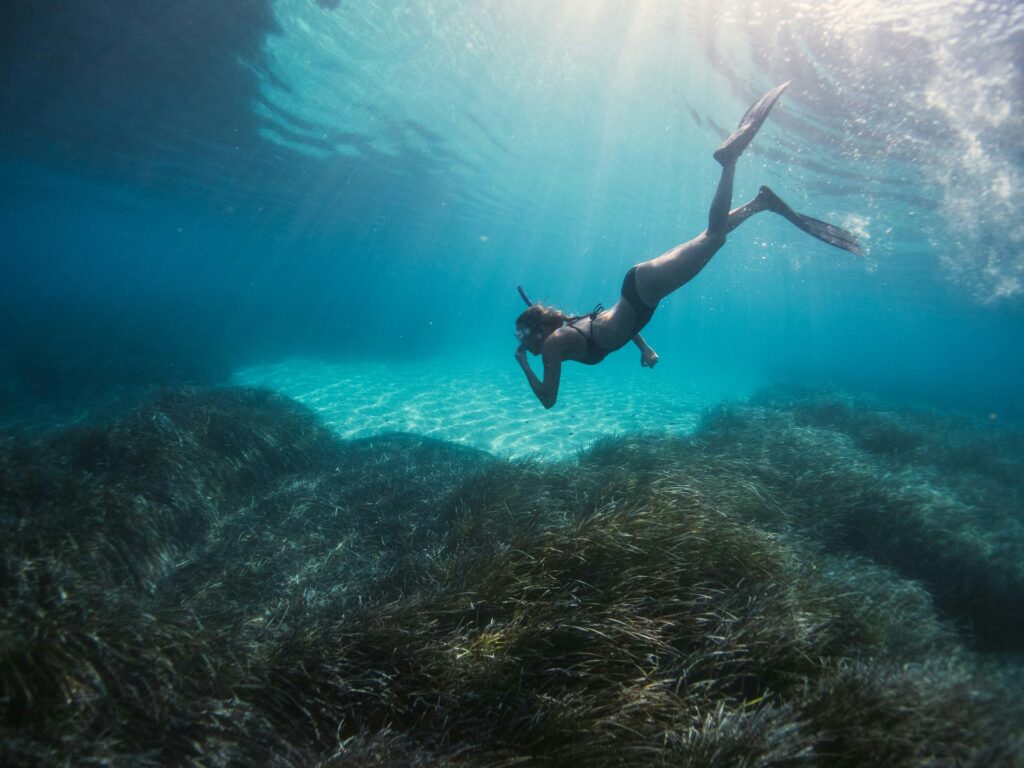
However, experienced snorkelers who are comfortable with breath-hold diving can dive deeper, usually up to 10 meters (33 feet) for short periods. This practice, often referred to as “skin diving,” requires good breath control and a solid understanding of equalizing pressure to avoid discomfort or injury.
Gear for Deeper Snorkeling
While traditional snorkeling gear includes a mask, snorkel, and fins, exploring deeper depths or more challenging conditions may require additional equipment:
- Snorkel Vest: For added buoyancy and safety, especially if you plan to venture deeper, a snorkel vest can help you stay afloat and reduce fatigue.
- Weight Belt: Experienced snorkelers might use a snorkeling weight belt to help them dive deeper more easily. However, this should only be used if you’re trained in its use and understand how to manage buoyancy and weights safely.
- Wetsuit: Depending on the water temperature, a snorkeling wetsuit can provide thermal protection and additional buoyancy. Thicker wetsuits are better for colder waters and can also add a slight buoyant advantage.
- Free-diving Fins: Longer and more flexible than regular snorkeling fins, free-diving fins can help you swim more efficiently, making it easier to dive deeper with less effort.
Safety Tips for Snorkeling at Various Depths
Safety is paramount when it comes to snorkeling, regardless of depth. Here are some essential tips to keep in mind:
- Always Snorkel with a Buddy: Never snorkel alone. Having a snorkel buddy ensures that someone can help in case of an emergency.
- Stay Aware of Your Surroundings: Be mindful of currents, tides, and marine life. Understanding the local conditions can prevent accidents and enhance your snorkeling experience.
- Equalize Pressure: As you dive deeper, remember to equalize the pressure in your ears to prevent discomfort or injury. Pinch your nose and gently blow to equalize.
- Limit Your Time Underwater: Avoid staying underwater for too long, especially at deeper depths. Ascend slowly and take your time to catch your breath.
- Avoid Hyperventilating: While it might seem helpful to take several deep breaths before diving, hyperventilating can lead to shallow water blackout. Breathe normally and dive within your comfort limits.
The Myth of the “Bends” in Snorkeling
A common concern among new snorkelers is the possibility of getting “the bends,” a condition also known as decompression sickness. The bends occur when nitrogen bubbles form in the bloodstream due to rapid pressure changes, typically associated with deep SCUBA diving. However, this is not a risk for snorkelers who stay within typical snorkeling depths (up to 10 meters or 33 feet). The pressure changes at these depths are not significant enough to cause decompression sickness.
More Snorkeling Tips for a Safe and Enjoyable Experience
- Hydrate and Protect: Drink plenty of water before snorkeling and use sunscreen to protect your skin from sunburn. You could also wear a rash guard to protect your skin from those harmful UV rays!
- Relax and Enjoy: Snorkeling is meant to be a relaxing and enjoyable experience. Take your time, breathe slowly, and savor the beauty around you.
- Respect Marine Life: Look but don’t touch. Many marine creatures are delicate, and some can be harmful if disturbed.
How Deep Can You Go Snorkeling?
While snorkeling is primarily a surface activity, experienced snorkelers can explore depths of up to 10 meters (33 feet) with proper techniques and precautions. Understanding the snorkeling depth limit, using the right gear, and following safety tips will ensure that your underwater adventure is both safe and fun. So, grab your mask, snorkel, and fins, and dive into the exciting world that awaits just beneath the surface!
FAQs: How Deep Can You Snorkel?
Hopefully our article has helped you in answering and understanding the question of ‘how deep can you snorkel?’ but if you’ve still got some high-level questions, well, we’ve got answers below!
1. How deep can you snorkel safely?
Most snorkelers stay within 1 to 5 meters (3 to 16 feet), which is considered safe and ideal for surface snorkeling. More experienced snorkelers can dive down to around 10 meters (33 feet), but only for short periods and with proper breath control.
2. What is the maximum depth you can snorkel?
There isn’t a strict maximum depth, but recreational snorkelers typically don’t go beyond 10 meters (33 feet). Going deeper requires advanced breath-hold skills, proper equalization, and experience with freediving techniques.
3. Can beginners snorkel deep underwater?
Beginners should stick to surface snorkeling or very shallow dives. Diving deeper requires practice with breath-holding, equalizing pressure, and staying calm underwater, which takes time to develop safely.
4. Do you need special gear to snorkel deeper?
For deeper snorkeling (skin diving), gear like freediving fins, a wetsuit, and sometimes a weight belt can help. However, these should only be used if you understand how to manage buoyancy and safety properly.
5. Is it dangerous to snorkel too deep?
It can be if you’re not trained. Risks include ear injuries from improper equalization, shallow water blackout from breath-holding, and fatigue. Staying within your comfort level and following safety guidelines is key.
6. Can you get decompression sickness from snorkeling?
No, typical snorkeling depths are too shallow to cause decompression sickness (the bends). This condition is associated with deep SCUBA diving, not recreational snorkeling.
7. How long can you stay underwater while snorkeling?
Most people can hold their breath for 30 seconds to 2 minutes. Experienced snorkelers may stay down longer, but it’s important not to push your limits and to surface before feeling uncomfortable.
8. What is skin diving in snorkeling?
Skin diving is when a snorkeler briefly dives below the surface using breath-hold techniques. It allows you to explore deeper areas, but it requires proper training, controlled breathing, and awareness of your limits.