


Wetsuits for Personal Watercraft (PWC): Why Jet Skiers Need More Than Just a Springsuit
Quadri Abdur January 25th, 2026 Posted In: Articles
Personal watercraft riding is one of the most exciting ways to enjoy the water. Whether you ride a Jet Ski, Sea Doo, or WaveRunner, the speed and freedom make every trip unforgettable. However, with that excitement comes exposure to wind, water spray, cold temperatures, and the risk of impact. This is why choosing the right wetsuit matters.
Many riders assume a simple springsuit is enough, but PWC riding often demands more protection than casual surfing wetsuits or swimming wetsuits. This article explains why jet skiers need a PWC-specific wetsuit and helps you understand what to look for when choosing the best wetsuit for jet skiing.
Quick Summary
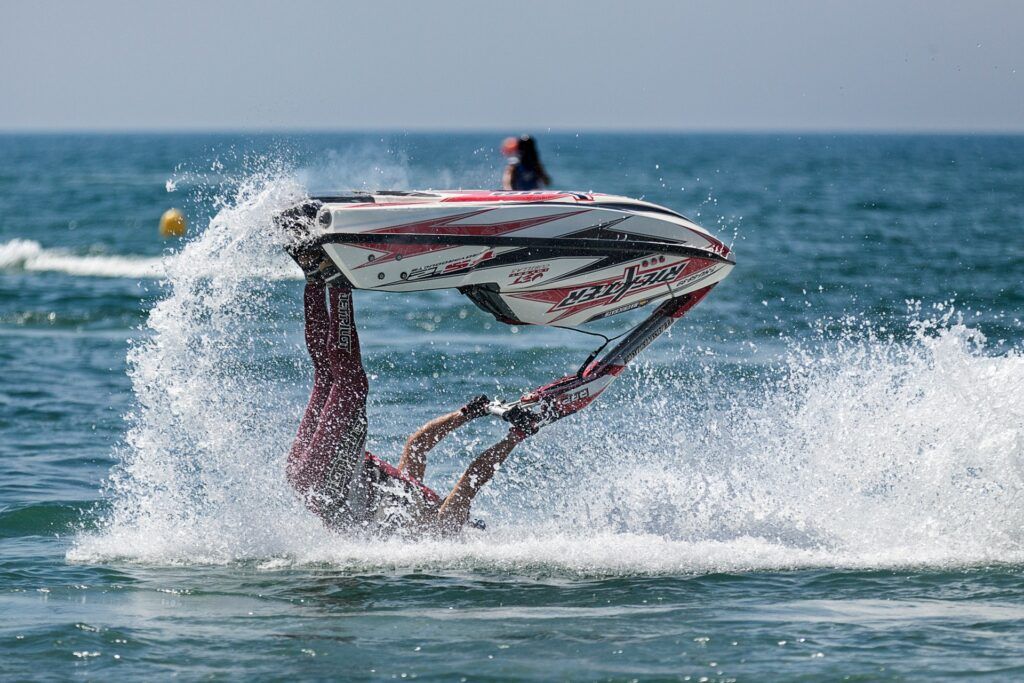
If you ride a personal watercraft, you face unique conditions that surfers and swimmers do not. You deal with constant wind chill, high-speed spray, and the possibility of falling at fast speeds. A springsuit may feel comfortable, but it often does not offer enough PWC exposure protection. Jet skiers usually need thicker neoprene, better padding, and a wetsuit designed for impact and warmth.
Keep reading to learn the differences between a jet ski wetsuit vs surf wetsuit, why PWC riders need more coverage, and how to choose the right gear for your safety and comfort.
What Is a Personal Watercraft?
A personal watercraft, often called a PWC, is a small motorized vessel that you ride on rather than inside. Popular brands include Jet Ski, Sea Doo, and Yamaha WaveRunner. These machines can reach high speeds and are used for recreation, touring, towing, and even rescue operations. Because you sit or stand on top of the craft, your body is exposed to the elements at all times. This is very different from being inside a boat, where you are shielded from wind and water.
Why Wetsuits Matter for PWC Riders
Many new riders think wetsuits are only for surfers or divers. Conversely, wetsuits play an important role in keeping your body warm and protected while riding a PWC. When you ride at high speeds, the wind and water spray can make the temperature feel much colder than it actually is. Even on warm days, this wind chill can cause discomfort or even mild hypothermia if you fall into the water.
Furthermore, a wetsuit traps a thin layer of water between your skin and the neoprene. Your body warms this water, helping you stay comfortable. The thicker the neoprene, the more warmth and protection you get. This is why the best wetsuit for jet skiing is usually thicker than what surfers wear in similar conditions.
Jet Ski Wetsuit vs Surf Wetsuit
At first glance, a wetsuit is a wetsuit. However, the design differences between a jet ski wetsuit vs surf wetsuit are important. Surfers spend most of their time paddling and moving their arms, so surf wetsuits focus on flexibility. They are often thinner in the shoulders and arms to allow easy movement.
On the other hand, jet ski wetsuits are built for speed, impact, and constant exposure to wind. They often include:
- Thicker neoprene for warmth during high-speed riding.
- Reinforced padding in the chest, ribs, and back.
- Smooth skin panels that block wind.
- Extra durability for repeated sitting and standing on the seat.
These features help protect riders from wind chill, falls, and the pressure of hitting the water at fast speeds.
Why a Springsuit Is Not Always Enough
A springsuit is a wetsuit with short sleeves and short legs. It is great for warm weather and light water activity. But for PWC riding, a springsuit often falls short. Here are a few reasons why.
- Limited coverage: Your arms and legs are exposed to wind and spray, which can make you cold quickly.
- Less impact protection: Falling off a PWC at high speed can feel like hitting concrete. A springsuit does not offer enough padding.
- Not ideal for long rides: If you plan to ride for more than a few minutes, you will feel the cold much faster in a springsuit.
- Not suitable for colder water: Even mild water temperatures can feel freezing when you are moving fast.
This is why many experienced riders choose a full wetsuit or a PWC-specific suit for better exposure protection when riding a personal watercraft.
What Makes the Best Wetsuit for Jet Skiing
Choosing the right wetsuit depends on where and how you ride. Some of the common factors and features that most jet skiers look for include:
- Thickness: Many riders prefer 2mm to 4mm neoprene, depending on water temperature.
- Full-length design: Long sleeves and long legs offer better warmth and protection.
- Wind-resistant panels: These help block cold air while riding at high speeds.
- Impact padding: Extra protection in the chest, ribs, and spine can reduce injury during falls.
- Durable seams: PWC riding puts stress on the suit, so strong seams help it last longer.
- Comfortable fit: A wetsuit should feel snug but not tight. A loose wetsuit will not keep you warm.
Some brands also offer wetsuits designed specifically for PWC riders. These suits often include extra safety features like bright colors for visibility and quick-release zippers.
Additional Gear for PWC Exposure Protection
A wetsuit is only one part of staying safe and comfortable on the water. Many riders also use:
- Wetsuit gloves to protect hands from wind chill.
- Neoprene boots for grip and warmth.
- Impact vests for added safety.
- Rash guards under the wetsuit for comfort.
- Spray jackets for extra wind protection
These items help you stay warm, reduce fatigue, and protect your body during long rides.
Safety Benefits of Wearing the Right Wetsuit
Beyond comfort, the right wetsuit can help prevent injuries. When you fall off a personal watercraft, the impact can be strong. A thicker wetsuit absorbs some of that force. It also protects your skin from scrapes, bruises, and contact with the craft.
Additionally, wetsuits help with buoyancy. While they are not a replacement for a life jacket, they do help you float more easily. This can be helpful if you fall in rough water or need time to get back on your craft.
When You Should Upgrade From a Springsuit
If you ride often, ride in cooler water, or enjoy high-speed riding, it may be time to upgrade from a springsuit. A full wetsuit or PWC-specific suit will keep you warmer, safer, and more comfortable. Riders who tow tubes or wakeboarders also benefit from more coverage because they spend more time in the water.
Final Thoughts
Riding a personal watercraft is fun, fast, and full of adventure. Nonetheless, staying safe and comfortable should always come first. A springsuit may work for short rides on warm days, but most jet skiers need more protection. Understanding the differences between a jet ski wetsuit and a surf wetsuit and choosing the best wetsuit for jet skiing will help you enjoy every ride with confidence.
With the right PWC exposure protection, you can stay warm, reduce injury risk, and make the most of your time on the water.