


Limestone vs. Petroleum Neoprene: Is “Eco-Friendly” Gear Actually More Durable?
Lauren February 11th, 2026 Posted In: Articles
When you think about it, wetsuits have come a long way from the stiff, rubbery gear of decades past. Today’s suits promise stretch, warmth, and sustainability. Yet one of the biggest debates in modern surf and dive gear is limestone vs petroleum neoprene. Who beats who? Is is even a competition?
Brands increasingly market limestone neoprene as the greener, higher-performance option. But that raises a very real question for surfers and divers who put serious time in the water: is eco friendly wetsuit durability actually better, or is it just good marketing?
Let’s break down the battle of limestone vs petroleum neoprene, how each neoprene is made, how they perform in real conditions, and whether choosing “eco” really means your wetsuit will last longer!
What Is Petroleum Neoprene? (Traditional Neoprene Explained)
Petroleum-based neoprene has been the industry standard for decades. It’s made from chloroprene rubber derived from crude oil — a process that’s energy-intensive and heavily reliant on fossil fuels. That environmental impact of wetsuit manufacturing is, of course, one of the reasons why eco-friendly alternatives have come in to the mix.
From a performance standpoint, petroleum neoprene earned its reputation because it’s:
- Predictable to manufacture
- Relatively durable
- Cost-effective
However, traditional neoprene also has drawbacks that have become harder to ignore. It tends to be heavier, slightly less flexible over time, and more prone to neoprene compression over extended use, especially in high-flex areas like shoulders and knees.
This is where limestone neoprene enters the conversation.
What Is Limestone Neoprene?
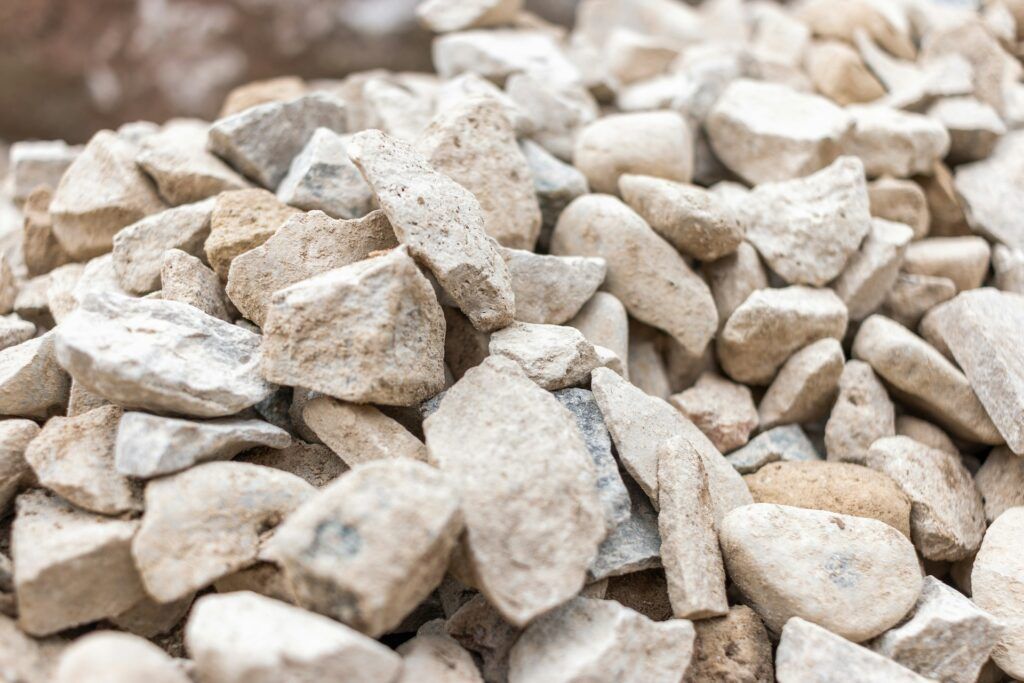
Limestone neoprene replaces petroleum with calcium carbonate sourced from limestone. The limestone is heated, processed, and converted into a synthetic rubber (also referred to as polychloroprene) without relying on crude oil.
Many modern wetsuit brands now use limestone neoprene because it offers:
- Lower petroleum dependency
- A cleaner manufacturing process
- A lighter, airier foam structure
This shift has fueled the debate around environmentally-friendly wetsuit durability, and whether sustainability also improves performance.
Is Limestone Neoprene Good?
Now knowing this, you might be asking yourself is limestone neoprene good? The TL;DR answer to this is yes, but with nuance like if it’s made well or not. Basically, if you’ve gotten yourself a high-quality – but probably more pricey – eco-friendly wetsuit made with limestone neoprene, you’ve got a wetsuit that will usually last longer and is less wasteful (another eco-friendly bonus) meaning you won’t be caught in the endless cycle of throwing away/recycling wetsuits to buy a new one.
Limestone neoprene typically contains more uniform air cells, which leads to:
- Better insulation
- Increased buoyancy
- A softer, more flexible feel
This also leads to another big question people ask…
Is Limestone Neoprene Warmer Than Petroleum Neoprene?
Yes — in most cases, limestone neoprene is warmer, especially at the same thickness.
Here’s why:
- More consistent air bubbles = better heat retention
- Less water absorption over time
- Better rebound after compression
However, warmth isn’t just about material. Seam construction, lining, fit, and wetsuit thickness still matter just as much.
Durability Breakdown: Limestone vs Petroleum Neoprene
This is where the conversation gets interesting — and where marketing claims don’t always tell the full story. (Sorry marketing!)
Petroleum Neoprene Durability
Petroleum neoprene has a slightly denser cell structure, which can make it:
- More resistant to abrasion
- Slower to stretch out initially
- Slightly tougher in rough environments
But over time, it tends to:
- Lose flexibility
- Compress permanently
- Feel heavier and colder
Limestone Neoprene Durability
Limestone neoprene shines in performance but needs proper wetsuit care. It is:
- More elastic and responsive
- Better at rebounding after compression
- Lighter and less waterlogged
The tradeoff? Lower-quality limestone neoprene can tear more easily if:
- Stretched aggressively while wet
- Used heavily without rotation
- Dragged across rough surfaces
This is why eco friendly wetsuit durability depends less on the label and more on foam quality, construction, and how you treat the suit.
Is Eco-Friendly Gear Actually More Durable?
This deserves a straight answer: sometimes, but not automatically. Eco-friendly wetsuits can be more durable if:
- High-grade limestone neoprene is used
- Seams are properly glued, blind-stitched, and taped
- The suit is cared for correctly
But sustainability alone doesn’t guarantee longevity. A poorly made “eco” suit will still break down faster than a well-constructed petroleum neoprene suit. Durability is a system, not a single material choice.
Manufacturing & Environmental Impact
When it comes to modern wetsuit design, manufacturing methods and environmental impact matter more than ever. Many premium wetsuits today are moving away from traditional petroleum-based neoprene in favor of limestone-based or eco-blended alternatives. Some manufacturers also incorporate recycled materials, such as reclaimed rubber tires or recycled polyester linings, to further reduce waste and overall environmental footprint.
Equally important is how wetsuits are assembled. Water-based, solvent-free glues are becoming more common, helping minimize harmful chemical emissions during production. Durable construction methods also play a role in sustainability — a wetsuit that holds up for years ultimately has less environmental impact than one that needs frequent replacement.
While no wetsuit is perfectly “green,” brands that prioritize responsible sourcing, reduced emissions, and long-lasting construction are making meaningful progress toward more eco-conscious wetsuit gear.
What Is the Best Type of Neoprene?
Another popular question: what is the best type of neoprene? The honest answer: the best neoprene is the one that matches how you surf or dive (or participate in other watersports).
Choose limestone neoprene if you:
- Prioritize warmth and flexibility
- Surf or dive frequently
- Want lighter, more responsive gear
- Care about reduced environmental impact
Choose petroleum neoprene if you:
- Need extra abrasion resistance
- Dive in rough environments
- Want lower upfront cost
- Are harder on your gear
Final Verdict: Performance, Sustainability, and Reality
At the end of the day, choosing between limestone-based and petroleum-based neoprene really comes down to your priorities and your watersport of choice. Limestone neoprene tends to win on comfort, flexibility, and reduced environmental impact, making it a favorite for divers and surfers who spend long hours in the water and want a suit that feels soft, stretchy, and performance-driven. Petroleum-based neoprene, on the other hand, is often more budget-friendly and still gets the job done for casual or occasional use.
There’s no one-size-fits-all “best” wetsuit. The right choice depends on how often you’re in the water, the temperatures you dive or surf in, and how much freedom of movement you want. Whether you’re gearing up for relaxed reef dives, long surf sessions, or high-energy water sports, the best wetsuit is the one that fits your body, matches your conditions, and helps you stay comfortable enough to enjoy every minute out there!