


How to Choose a Surfboard Size & Length
Lauren October 9th, 2018 Posted In: How-To Tags: Surfing
Here’s How to Choose a Surfboard Size & Length
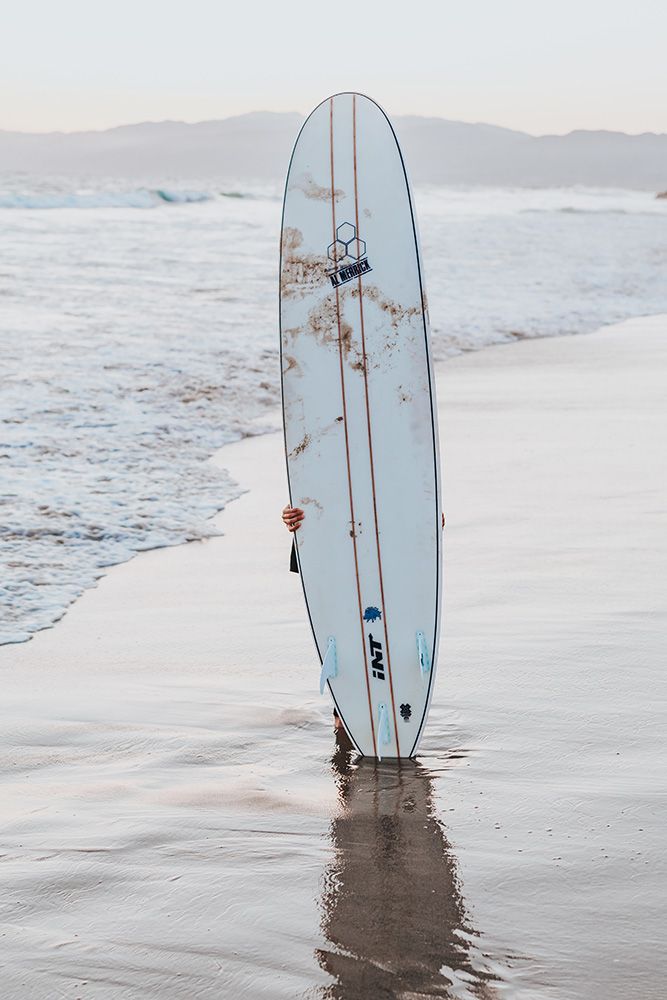
An example of what a longboard looks like!
Learning how to surf is exciting, but if you want to actually enjoy the process, then choosing the right surfboard size and length is the most important step you’ll take. The perfect board isn’t about what looks cool under your arm; it’s about finding the right balance of volume, length, width, and thickness to match your body, skill level, and the waves you surf.
When you’re new to surfing, it’s tempting to grab whatever board looks good or fits in your car but that’s one of the biggest mistakes beginners make. Want to know how to choose a surfboard like a pro? Let’s start with the basics: size and length.
The right size surfboard makes all the difference between struggling to catch waves and feeling that incredible first glide. Even experienced surfers sometimes underestimate how much a few extra liters of volume or a few inches in length can transform their performance!
In this post, we’ll break down exactly how to pick a surfboard length and ideal size. Starting with the modern metric that matters most: volume (liters).
Volume Is King: The Liters Concept
Before you even think about the board’s length or shape, you need to understand volume. Volume is the total amount of space your surfboard takes up, measured in liters.
Why volume matters:
- Volume determines how well a surfboard floats and paddles.
- More volume = more buoyancy and stability.
- Less volume = more control and responsiveness (but harder to paddle).
Volume-to-Weight Ratio
Your body weight directly affects how many liters you need. The heavier you are, the more volume your board must have to keep you afloat.
Volume-to-Skill Ratio
Different skill levels need different volume ranges:
- Beginner: High volume — lots of float and forgiveness.
- Intermediate: Moderate volume — balanced between stability and agility.
- Advanced: Low volume — built for high performance and sensitivity underfoot.
Pro Tip: Use an online volume calculator as a starting point. Enter your weight, height, and skill level to get your target liter range before shopping.
Remember, volume isn’t just a number on paper — it’s how your board feels under your chest when you paddle and under your feet when you pop up. Two boards with the same liters can feel completely different depending on how that volume is distributed (for example, a wide nose vs. a thick tail). This is why trying a few different shapes in your target volume range is one of the best ways to understand what works for you!
Translating Volume into Length (The Board Type)
Once you know your ideal volume range, it’s time to translate that into board length and type. Different styles of surfboards distribute volume in different ways.
Beginner Surfers
- Recommended types: Longboards (9’0″+) or Funboards/Minimals (7’0″–8’10”)
- Why: These boards offer generous volume for stability and easy paddling. Soft-top boards are especially great for learning as they are typically safer, more forgiving, and durable.
Intermediate Surfers
- Recommended types: Hybrids or Fish surfboards (5’4″–6’6″)
- Why: Still hold moderate volume but in a shorter, more maneuverable shape for progression.
Advanced Surfers
- Recommended types: Performance shortboards (4’10″–6’4″) or step-ups for bigger waves
- Why: Compact boards with less volume offer precision and speed in steep, powerful surf.
As your surfing improves, you’ll start to recognize how subtle changes in board length impact your ride. A few inches shorter can make a board more responsive but also less forgiving when paddling or taking off. Longer boards tend to carry more speed and stability, while shorter ones let you turn more tightly and fit into steeper waves. Understanding that trade-off helps you grow confidently from one board size to the next.
Length Rule of Thumb:
The old-school method was to stand your board next to you. Taller for beginners, nose-height for advanced surfers. That’s a fun visual, but in today’s world, volume tells the truer story of what fits your surf style.
Fine-Tuning Dimensions (Width & Thickness)
When surfing, you want to invest in a board that is at least two inches thick. This will provide you with optimal buoyancy, which will make it easier to catch a wave and hang on during the ride. Boards that are thinner, require more balance and often are more difficult to use until you get the hang of surfing. Once you’ve nailed your length and volume, fine-tune the feel with width and thickness. These dimensions can completely change how your surfboard rides.
Width
- Wider boards: Add stability and glide — ideal for smaller, slower waves.
- Narrower boards: Quicker rail-to-rail transitions for sharper turns and hollower surf.
Thickness
- Thicker boards: More float, easier paddling, and a forgiving ride.
- Thinner/tapered boards: Better control and precision, but demand more skill.
Rails: The rail (edge) design also affects performance — softer, rounder rails feel smoother; sharper rails bite into the face for speed and control.
When in doubt, think of width and thickness as your fine-tuning tools. If you often surf smaller, slower waves, going just a half-inch wider or thicker can make a noticeable difference in how easily you catch waves. Meanwhile, if you’re chasing hollower or faster surf, trimming down those dimensions helps you stay in control and maneuver more smoothly.
Wave Conditions & Environment
Your surfboard size and dimensions should always match the waves you’re riding:
- Small or weak waves: Go for more volume, more width, and a flatter rocker (like a Fish or a wide Longboard) to generate speed.
- Big or powerful waves: Choose less volume, narrower tails, and more rocker for control and better fit in the wave’s curve.
- Local break matters: Think about where you surf most. If it’s mellow beach breaks, you’ll want a fun, buoyant board. If it’s steeper reef or point breaks, tighter shapes make more sense.
You can also think seasonally. Summer swells are often softer and smaller, so boards with extra volume (like funboards or fishes) shine. In contrast, winter brings more power, so you might prefer a leaner, faster board. Many surfers eventually keep two or three boards in different lengths and volumes to stay prepared for changing wave conditions.
Choosing a Surfboard Size and Length
Choosing the right surfboard size and length doesn’t have to be confusing. Here’s your simple decision roadmap:
- Start with your skill level and weight
- Find your ideal volume (liters)
- Choose the board type and length that fits that volume
- Fine-tune width and thickness based on your surf conditions
Remember, there’s no one-size-fits-all surfboard. Your perfect board will evolve as your fitness, skill level, and favorite surf spots change. Keeping notes on what feels good (and what doesn’t) helps you make smarter choices the next time you’re ready to upgrade.
Finally, don’t be afraid to experiment. Visit a local surf shop, rent or demo different boards within your volume range, and see what feels right. Once you find the board that matches you, every paddle out becomes that much more fun!