


How to Repair a Wetsuit: Glue, Patches, Seam Fixes & When to Call It
Lauren January 28th, 2016 Posted In: How-To Tags: Repair
Few things are more frustrating than pulling your wetsuit out of the gear bag before a session and discovering a tear, split seam, or hole. The good news? Most common wetsuit damage can be repaired at home in under 30 minutes with the right supplies and a little patience!
Whether you’re dealing with a small fingernail cut, a seam that’s starting to separate, or a zipper that’s acting up, knowing how to repair a wetsuit can help extend its lifespan and save you money (and who doesn’t like that?!).
In this guide, we’ll cover four common repair types: fingernail tears and cuts, neoprene patch repairs, seam repairs, and zipper issues. We’ll also explain when to repair vs. replace a wetsuit so you can decide whether a fix is worth the effort.
What You’ll Need: Wetsuit Repair Supplies
Before starting any repair, gather the proper materials. Having the right tools on hand will make the repair process faster, cleaner, and more durable.
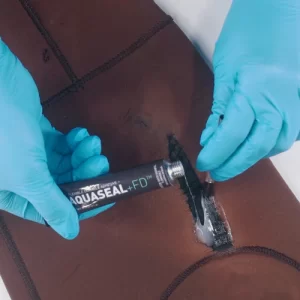
Essential Wetsuit Repair Supplies
- Wetsuit repair glue or neoprene cement (Aquaseal NEO, Black Witch, or similar products)
- Neoprene repair patches
- Seam tape or neoprene tape
- Small brush, popsicle stick, paperclip, or other applicator
- Rubber or latex gloves
- Clean cloth or towel
- A clean, dry work surface
For larger repairs or ongoing wetsuit maintenance, browse our collection of wetsuit care products and repair accessories.
Important: Always work in a well-ventilated area and follow the manufacturer’s safety instructions! Most neoprene cements contain strong fumes and should never be used in enclosed spaces.
How to Fix a Small Tear or Cut in a Wetsuit
Small fingernail cuts, minor tears, and smoothskin damage are some of the most common wetsuit repairs. Fortunately, they’re also among the easiest to fix. If you’re wondering how to fix a hole in a wetsuit or repair a small tear, follow these steps:
Step 1: Clean and Dry the Area
Make sure the damaged area is completely clean and dry. Any moisture, dirt, or salt residue can weaken the bond.
Step 2: Open the Tear
Fold the wetsuit backward at the damaged area so both sides of the tear are fully exposed.
Step 3: Apply the First Layer of Wetsuit Repair Glue
Using your applicator, apply a thin, even layer of wetsuit repair glue or neoprene cement to both surfaces. Do not press the surfaces together yet.
Step 4: Allow the Glue to Become Tacky
Let the first coat sit for approximately 1-3 minutes.
Most neoprene adhesives appear glossy when wet and become matte as they dry. The glue should feel slightly tacky but should not transfer to your finger.
Step 5: Apply a Second Coat
Apply a second thin layer of adhesive to both surfaces and again allow it to become tacky.
Step 6: Press the Surfaces Together
Carefully align both sides of the tear and press them together firmly, working from one end to the other to avoid trapping air bubbles.
Step 7: Hold and Allow to Cure
Pinch the repair together firmly for at least one minute. Although the repair may feel secure fairly quickly, allow it to cure overnight before using the wetsuit.
Common Mistake: The biggest repair mistake is pressing the neoprene together while the glue is still wet. Doing so creates a weaker bond and increases the likelihood of the tear reopening!
How to Repair a Larger Hole or Full-Penetration Tear
Small tears can often be repaired with adhesive alone, but larger damage requires additional reinforcement. As a general rule, use a neoprene patch when:
- The hole is larger than 1/2 inch
- The tear passes completely through the neoprene
- The damaged area experiences repeated stress
- Additional structural reinforcement is needed
Repairing a Wetsuit with a Neoprene Patch
- Clean and fully dry the damaged area.
- Trim the patch so it extends at least 1/2 inch beyond the damaged area on all sides.
- Apply wetsuit repair glue to both the inside of the wetsuit and the patch.
- Allow both surfaces to become tacky.
- Press the patch firmly into place on the inside of the suit.
- Smooth out any air pockets or wrinkles.
- Apply a thin finishing coat over the outside repair area if needed.
- Allow the repair to cure overnight.
How to Repair a Split Wetsuit Seam
Seam splits are especially common around:
- Chest panels
- Underarms
- Shoulder areas
- Ankle cuffs
These high-stress zones flex repeatedly during paddling, swimming, diving, and general use. If the seam has simply begun to separate, you can often repair it using the same neoprene cement method described above.
For Delaminated Seams
- Carefully open the separated seam.
- Apply neoprene cement to both surfaces.
- Allow the adhesive to become tacky.
- Press the seam back together firmly.
- Allow the repair to cure overnight.
For Torn Blind-Stitched Seams
If the stitching itself has failed, glue alone may not provide a long-lasting repair.
In these cases, adding neoprene tape or seam tape to the inside of the repair can significantly improve durability and water resistance.
For a deeper look at seam repairs and reinforcement methods, read our guide to Wetsuit Seam Surgery: Neoprene Tape vs. Liquid Seal.
How to Fix Common Wetsuit Zipper Problems
Not every wetsuit issue involves damaged neoprene. Zipper problems on a wetsuit are another common source of frustration.
Stuck Zipper
If your zipper won’t move smoothly:
- Rinse the zipper thoroughly with fresh water.
- Remove any visible sand, salt, or debris.
- Work the slider gently back and forth.
- Apply a wetsuit-safe zipper lubricant if necessary.
Avoid forcing the zipper, as doing so can damage the teeth or slider.
Broken Slider or Pull Tab
If the zipper pull breaks or the slider becomes detached, the repair is often simpler than many people expect.
Rather than replacing the entire zipper, many wetsuits only require a new slider assembly.
For step-by-step instructions, see our guide on Replacing a Wetsuit Slider.
When to Repair vs. Replace a Wetsuit
One of the most common questions wetsuit owners ask isn’t how to repair a wetsuit—it’s whether they should repair it at all. Here’s a simple way to decide.
Repair It
A repair is usually worthwhile when:
- The tear is less than 1/2 inch
- A seam has recently started separating
- The zipper slider has broken
- The suit is otherwise in good condition
Repair It, But Start Planning for a Replacement
Repairs may buy additional time when:
- Multiple repairs exist in the same area
- The wetsuit continues leaking after repairs
- The neoprene has noticeably lost stretch
- Warmth retention isn’t what it used to be
Replace It
Replacement is often the better choice when:
- Large tears extend several inches
- The zipper system has completely failed
- Multiple major repairs are required
- The wetsuit consistently feels colder than it once did
Over time, neoprene naturally loses flexibility and insulation. If you’re noticing reduced warmth despite proper care and repairs, read Neoprene Fatigue: How to Tell When Your Wetsuit Has Lost Its Warmth.
If it’s time for an upgrade, browse our surfing wetsuit collection or SCUBA wetsuit collection to find a replacement suited to your water conditions and activity.
Extend the Life of Your Wetsuit
While knowing how to repair a wetsuit is valuable, preventing damage in the first place is even better.
Simple habits like rinsing your wetsuit after every use, drying it properly, avoiding excessive sun exposure, and storing it correctly can dramatically increase its lifespan.
For additional maintenance tips, check out our guide on How to Store a Wetsuit.
How to Repair a Wetsuit and Keep It Performing Longer
Most wetsuit damage isn’t the end of your suit. Small tears, split seams, minor holes, and even many zipper issues can often be repaired at home with the right wetsuit repair glue, neoprene patches, and a little patience. Knowing how to repair a wetsuit can help extend its lifespan, improve performance, and save money on premature replacements.
That said, repairs aren’t always the best long-term solution. If your wetsuit has multiple damaged areas, persistent leaks, or neoprene that has lost its flexibility and insulation, it may be time to consider a replacement wetsuit. By understanding how to fix a hole in a wetsuit, reinforce damaged seams, and recognize when to repair vs. replace a wetsuit, you’ll be able to get the most value and performance from your gear for seasons to come.
Frequently Asked Questions on Wetsuit Repair
What glue do you use to repair a wetsuit?
The best option is a neoprene-specific adhesive such as Aquaseal NEO, Black Witch, or another wetsuit repair glue designed specifically for neoprene materials. These products create flexible, waterproof bonds that move with the wetsuit.
Can you repair a wetsuit yourself?
Yes. Most minor tears, fingernail cuts, seam separations, and zipper slider issues can be repaired at home using wetsuit repair glue, neoprene patches, or seam tape.
How long does wetsuit repair glue take to dry?
Most wetsuit repair glues become tacky within 1-3 minutes, but full curing typically requires overnight drying. Always follow the manufacturer’s instructions for best results.
How do you fix a hole in a wetsuit?
Small holes can usually be repaired with neoprene cement alone. Larger holes or full-penetration tears generally require a neoprene patch combined with wetsuit repair glue for additional reinforcement.
When should you replace a wetsuit instead of repairing it?
Consider replacing your wetsuit when it has multiple large tears, persistent leaks, major zipper failure, or neoprene that has lost significant flexibility and insulation. In these situations, repairs may only provide temporary results.